Xenophobic Violence in South Africa Rekindles Regional Tensions
Renewed xenophobic attacks in parts of South Africa have once again placed migrants protection and regional stability at the centre of continental discussions, prompting several African governments to issue warnings and advisories to their citizens living in or travelling to the country.
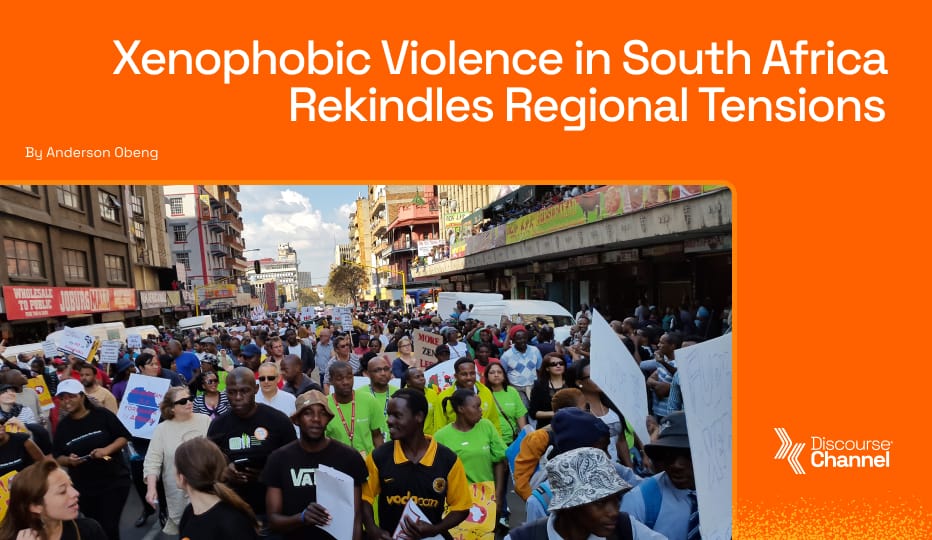
Renewed xenophobic attacks in parts of South Africa have once again placed migrants protection and regional stability at the centre of continental discussions, prompting several African governments to issue warnings and advisories to their citizens living in or travelling to the country.
- Kenya, Malawi, Lesotho, and Zimbabwe: These governments have warned their citizens to remain cautious, avoid unsafe areas, and in some cases, stay indoors to avoid targeted violence.
- Nigeria: The Nigerian government established a crisis unit and announced plans to repatriate at least 130 citizens following reports that two Nigerians were killed in Johannesburg.
- Ghana: Issued a public advisory through its High Commission urging citizens to avoid protest areas and suggested Ghanaian shop owners temporarily close their businesses. Ghana also facilitated the safe return of at least one citizen targeted in a viral video.
The incidents, which triggered diplomatic concern across multiple African states, reignited long-standing debates around migration, unemployment, inequality, and social tensions within Africa’s most industrialized economy. While xenophobic violence is not new in South Africa, the latest developments drew renewed regional attention because of their broader implications for African integration, labour mobility, and intra-African relations.
The situation also elevated discussions at the level of the African Union (AU), where migrant protection and regional cooperation increasingly intersect with governance, economic inclusion, and social stability.
Beyond the immediate security concerns, the events reflect deeper structural questions facing African economies, who benefits from economic opportunity, how governments manage migration pressures, and whether regional integration can coexist with rising domestic frustrations over jobs and inequality.
What we are watching:
- France is currently undergoing a significant diplomatic realignment in Africa, shifting from its traditional military-heavy focus in West Africa toward economic and cultural partnerships, particularly with Anglophone nations.
- Broad-Based Black Economic Empowerment (B-BBEE) policies significantly influence investment and ownership in South Africa's energy sector.
In South Africa, renewed xenophobic tensions highlight how economic strain and inequality can deepen social fragmentation. Across foreign policy, African governments are seeking more equal economic relationships with global powers. And within domestic economies, transformation policies continue shaping how industries are structured and who participates in economic growth.
These conversations are increasingly linked by a broader continental question: how can African economies pursue growth, inclusion, and regional integration simultaneously amid rising social and economic pressure Africa’s governance debates are becoming more closely tied to questions of migration, economic participation, investment, and international partnership.
The renewed tensions in South Africa are not only about security or immigration; they also reflect wider anxieties around opportunity, inequality, and economic belonging. At the same time, evolving diplomatic relationships and transformation-focused economic policies suggest African states are continuing to renegotiate how power, investment, and inclusion are structured in both domestic and international contexts.
Together, these developments point to a continent undergoing gradual but significant political and economic recalibration where governance, identity, and development are becoming increasingly intertwined.