What Kenya’s Aviation Strike Reveals About Labour, Governance, and Africa’s Connectivity
The Kenya Civil Aviation Authority (KCAA) and other airport services, had issued a seven-day strike notice over long-standing labour grievances. Despite a court order instructing them not to proceed, the workers went ahead.

On the morning of February 16, 2026, Nairobi’s Jomo Kenyatta International Airport (JKIA), one of East Africa’s busiest air transport hubs, was thrown into chaos. Members of the Kenya Aviation Workers Union (KAWU), representing staff at the Kenya Civil Aviation Authority (KCAA) and other airport services, had issued a seven-day strike notice over long-standing labour grievances. Despite a court order instructing them not to proceed, the workers went ahead, leading to flights delayed by up to four hours, cancellations, and thousands of passengers stranded both domestically and internationally. Airlines, including Kenya Airways, revised schedules, while some carriers advised travellers to reconsider their plans.
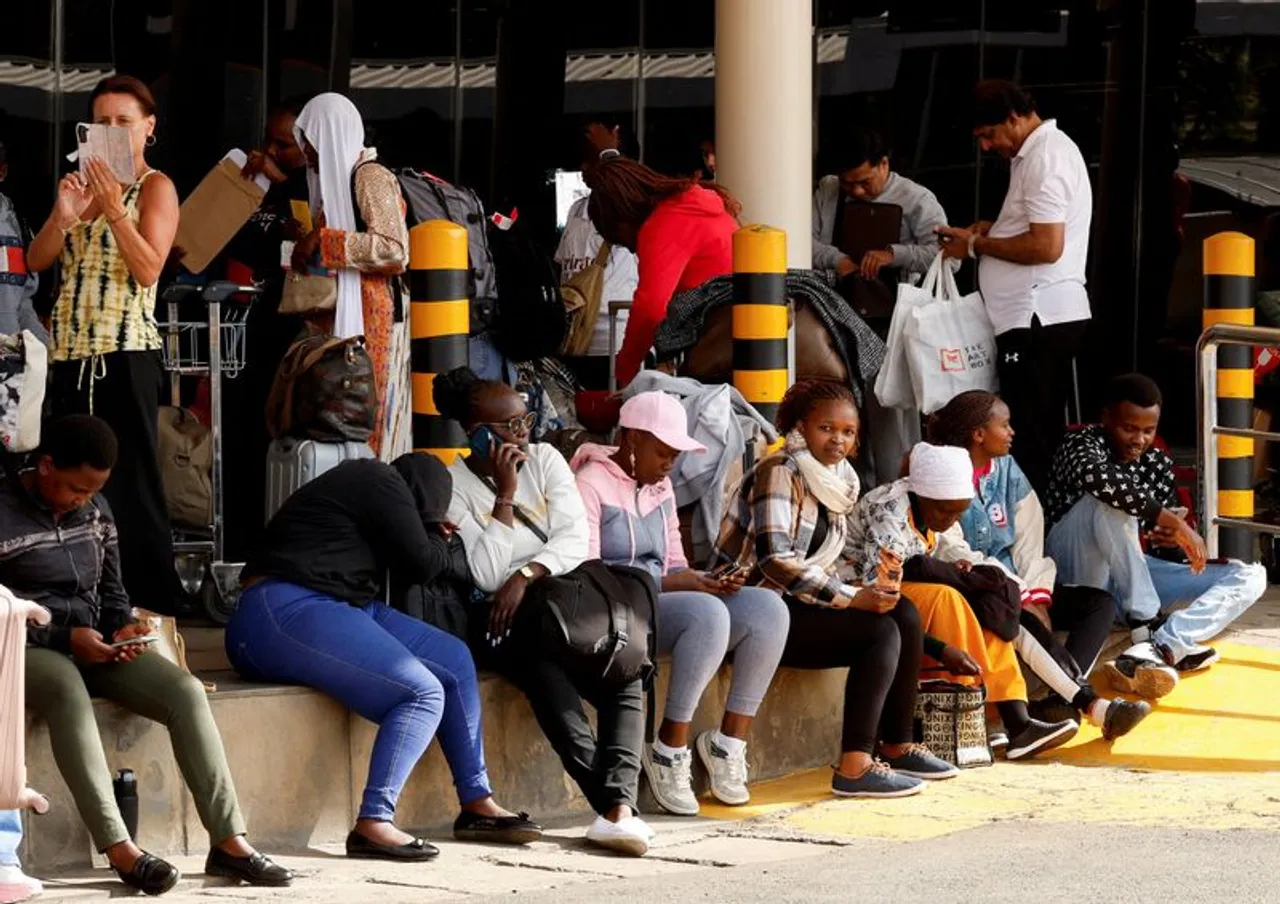
The strike was fuelled by multiple unresolved issues, including delays in implementing collective bargaining agreements dating back to 2015, allegations of unfair treatment of contract workers compared with permanent staff, and blocked union dues alongside a lack of proper negotiations over pay and working conditions. What began as a dispute over labour rights quickly highlighted the fragility of essential services and the broader economic implications for the country and region. According to the star’s report, Passengers stranded as JKIA disruptions stretch into day two, In moments like this, it becomes clear that labour disputes are never isolated events, but a reflection of deeper relationships between the people, power, and the system meant to serve the society.
Why This Story Matters
At first glance, this might seem like a typical labour dispute. But its impact went far beyond flights. Tourists were stuck, hotels and tour operators scrambled to adjust bookings, and essential medical supplies and fresh produce couldn’t reach their destinations on time. Businesses that rely on quick deliveries faced extra costs, and airlines spent more to adjust schedules. On top of that, investors started worrying about the reliability of Kenya’s transport system, while everyday travellers and airport staff experienced stress and lost income.
The strike has revealed issues across various industries, including Labour, Governance, and Africa’s Connectivity, leaving many gaps unclosed.
Economic Connectivity and Supply Chains
One very important issue to consider is that JKIA is not just a place where people board planes; it is a critical logistics hub for East Africa. In 2025, the airport handled 8.6 million passengers and supported cargo routes for high-value goods like electronics and horticultural exports. Air freight enables just-in-time supply chains, and delays can ripple through entire industries.
When flights are grounded, businesses miss deadlines, cargo waits, and the cost of doing business rises. For a continent working toward economic integration under the African Continental Free Trade Area (AfCFTA), reliable air transport is essential infrastructure. The strike showed how fragile this connectivity can be when it depends on human negotiations rather than resilient systems.
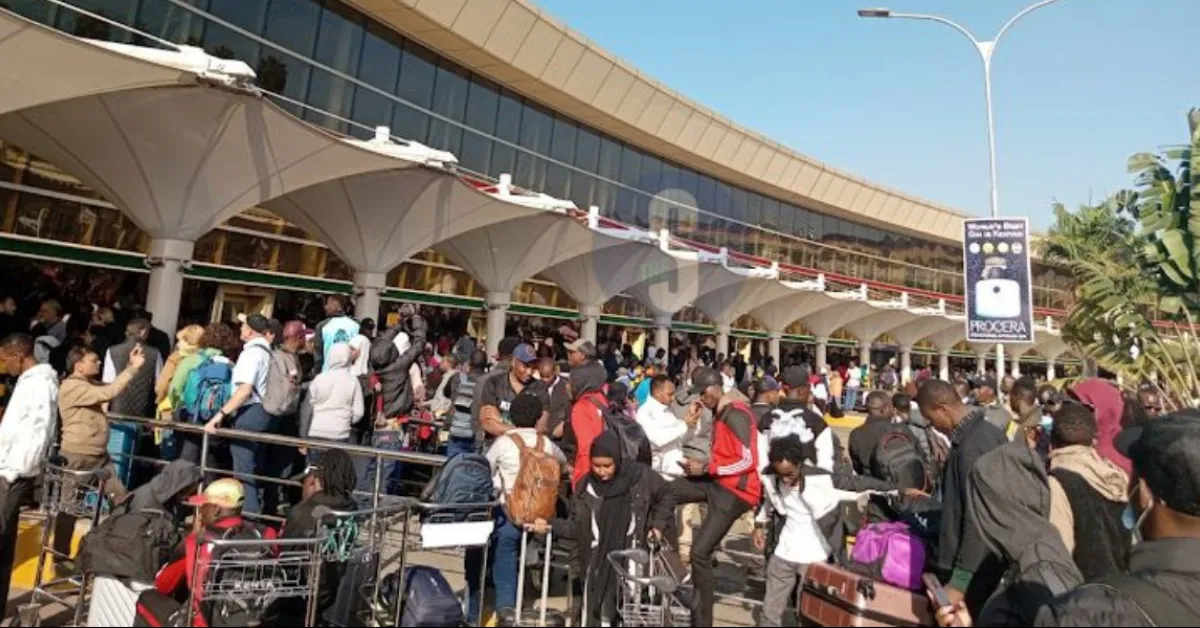
For everyday citizens, the effects were immediate. Travellers missed connections, families were stranded, businesses faced uncertainty, and exporters risked losing competitiveness in a global market. When labour disputes remain unresolved, investors also grow wary, reconsidering investments or operational hubs in the region.
Governance Under the Microscope
At its core, the strike exposed gaps in labour governance, how well worker rights are protected, how negotiations are structured, and how disputes are resolved. African governments, including Kenya’s, are tasked with balancing worker protections, essential service continuity, economic growth, and investor confidence.
When negotiations break down after years of unresolved agreements, it highlights weaknesses in governance systems, from labour courts to regulatory authorities, as seen in the legal intervention that halted the Kenya Aviation workers union’s planned strike, Labour court halts Kenya Aviation workers union strike scheduled for Monday, The Standard. Persistent disputes hint at deeper structural issues in policy formation, enforcement, and implementation.
Now, while we seek solutions to this problem, we cannot avoid talking about the use of technology.
The question is: Can AI and robots help solve our problem?
Could Tech and Automation Be a Solution?
Some suggest that technology could help reduce reliance on human labour in certain operational functions. Automation, AI, and robotics can assist with baggage handling, scheduling, or predictive maintenance, operating 24/7 without fatigue.
But technology is not a magic solution. Aviation safety and air traffic control still require highly trained human judgment, especially in crises. Without fair labour practices, automation could displace workers or worsen inequalities.
The most effective approach is to pair innovation with reskilling programs, strong labour protections, and inclusive governance frameworks, so technology enhances rather than replaces the workforce.
What This Means for Africa
Labour disputes like Kenya’s strike reflect broader continental challenges: youth unemployment, wage inequality, contract labour, and weak governance. Across sectors from aviation to healthcare to education similar issues can disrupt essential services.
Investing in digital infrastructure, reliable governance systems, and strong labour frameworks could help Africa:
• Improve economic resilience
• Strengthen continental connectivity
• Support industrialization and technological adoption
• Integrate more fully into global trade networks
If flights stall, goods slow down. If labour relations are weak, essential systems falter. Africa’s growth depends not just on roads and airports, but on trust, collaboration, and foresight in how governments and workers plan for the future together
This story is important for many people. Policy makers and government leaders can see where governance and labour systems need strengthening. Business owners and investors are reminded how much reliable connectivity affects operations and growth. Workers and union leaders can reflect on the power and limits of collective action, while students and scholars gain a practical example of labour, governance, and development challenges in Africa. Understanding these perspectives highlights why the strike matters far beyond the airport and why addressing these issues is crucial for a connected and prosperous Africa.
Kenya’s strike may have begun at an airport, but its effects extend beyond Kenya’s borders. It reminds us that labour relations, governance quality, and infrastructure both digital and physical are deeply interconnected in a globalized world.
Strikes aren’t just pauses in work; they are symptoms of deeper challenges. Recognizing this is the first step toward building a fair labour system, resilient governance, and a connected, prosperous Africa.