UN Pandemic Preparedness Declaration Faces Delays as Countries Disagree
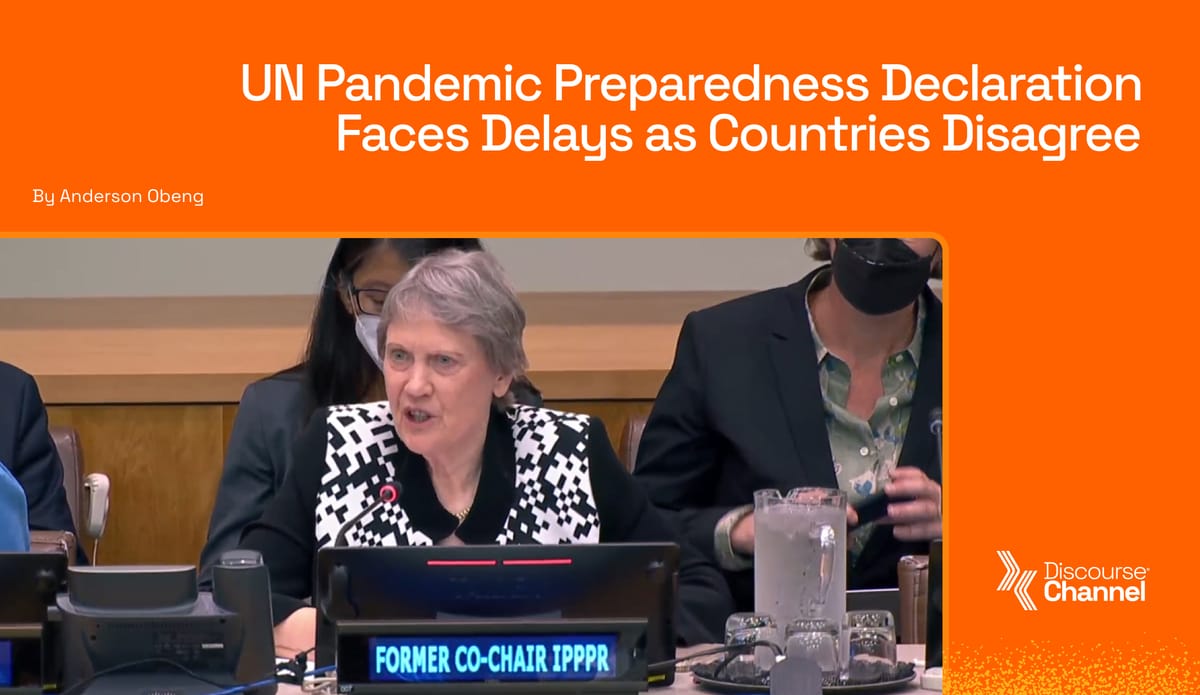
On September 25th, world leaders gathered at the United Nations headquarters in New York to discuss how countries can better prepare for future pandemics. The meeting focused on stronger health systems, fair access to vaccines and medicines, and reliable funding for emergencies.
COVID-19 showed the world what happens when countries are not prepared for a health emergency. Six years later, getting governments to agree on how to prevent the next pandemic is proving difficult.
On September 25th, world leaders gathered at the United Nations headquarters in New York to discuss how countries can better prepare for future pandemics. The meeting focused on stronger health systems, fair access to vaccines and medicines, and reliable funding for emergencies.
But the meeting did not end with the adoption of a final political declaration. Although the draft had broad support, disagreements between member states meant that further discussions were needed. The UN General Assembly was expected to consider the declaration on October 12. The delay highlights a problem that has followed global health discussions since COVID-19: countries may agree that another pandemic could have serious consequences, but reaching agreement on how to respond remains difficult.
Lessons from COVID-19
The COVID-19 pandemic exposed major weaknesses in the way the world handles health emergencies.
Some countries secured vaccines and medical supplies quickly, while others struggled to obtain them. Hospitals faced pressure, health workers worked under difficult conditions, and restrictions disrupted businesses, schools and family life.
The effects were not limited to health. The pandemic also affected jobs, trade, education and government spending. The September meeting was intended to build on lessons from that experience and strengthen international efforts to prevent, prepare for and respond to future pandemics.
The World Health Organization said countries needed sustained investment and stronger cooperation to improve global readiness. It also highlighted the importance of making health products available more fairly, rather than allowing access to depend heavily on where people live or how much their governments can afford.
The concern is straightforward: preparing for an outbreak after it has spread widely is often more difficult and costly than building stronger systems before it happens.
Why Countries Are Struggling to Agree
The proposed declaration centres on issues such as health-system readiness, financing, international cooperation and fair access to medical products. However, these issues also involve difficult questions about national interests and responsibility.
Countries must decide how much money they are willing to commit, how information about new diseases should be shared, and how vaccines, treatments and other medical supplies should be distributed during an emergency. These decisions can affect national security, public finances and the interests of pharmaceutical and biotechnology industries.
The delay does not mean countries have abandoned pandemic preparedness. It does show that agreeing on the principles is easier than reaching agreement on the rules and commitments needed to put them into practice.
Why Funding Matters
Preparing for a pandemic requires investment long before an outbreak becomes a global emergency.
Countries need laboratories that can identify new diseases, hospitals that can handle sudden increases in patients, trained health workers, reliable disease surveillance and systems for moving medical supplies quickly. These services require consistent funding. They cannot be built overnight when a new virus begins spreading.
The UN has identified fragmented funding, unequal access to health products and weaknesses in health systems as continuing challenges. It has also stressed the need for predictable, sustainable financing that supports countries’ own health priorities.
For lower-income countries, the challenge can be particularly difficult. Governments must fund routine healthcare while also preparing for emergencies that may not occur for years. When funding is limited, prevention and preparedness can lose out to more immediate demands. Yet failing to prepare can leave countries facing much larger costs when an outbreak strikes.
What This Means for Africa
For African countries, the discussions are especially important. The continent has made progress in disease surveillance, public health cooperation and emergency response. However, countries still face differences in healthcare capacity, laboratory access, medical supply chains and the resources available to respond to outbreaks.
During a major health emergency, these gaps can affect how quickly infections are detected and how easily patients receive treatment. Africa also has a strong interest in fair access to vaccines, medicines and diagnostic tools. During COVID-19, unequal access to vaccines exposed the risks of depending on international markets when demand rises sharply.
A stronger global approach could help African countries improve preparedness and gain more reliable access to essential medical products. But that will depend on whether international commitments lead to practical support, including funding, training, research and stronger local health systems.
African governments will also need to keep investing at home. International agreements can help, but they cannot replace functioning hospitals, trained health workers, effective public health agencies and national emergency plans. The continent’s role in these negotiations matters because African countries should have a voice in decisions that affect how health emergencies are managed and how medical resources are shared.
What Happens Next?
The immediate question is whether UN member states can resolve their differences and agree on a final declaration. The October 12 consideration date gives countries another opportunity to address the remaining disagreements. But even an adopted declaration would be only one step towards better pandemic preparedness. The real test will be what governments do afterward.
Will they provide steady funding for health systems? Will countries share information quickly when new diseases emerge? Will vaccines and treatments reach poorer countries in time? And will the world respond more fairly when the next emergency arrives?
These are the questions that matter beyond the UN meeting. COVID-19 made the cost of poor preparedness clear. Another pandemic could bring its own challenges, and the world cannot assume that the next outbreak will be easier to manage.
The delay in agreeing on a declaration is a warning in itself: the world cannot prepare for the next pandemic through promises alone. It needs cooperation, funding and decisions that hold up when a crisis begins.