South Asia’s Devastating Monsoon Floods Put Climate Adaptation in Focus
South Asia has faced another difficult period of flooding, with recent disasters in Pakistan, Bangladesh and Nepal showing how quickly heavy rainfall can disrupt agriculture and rural livelihoods.
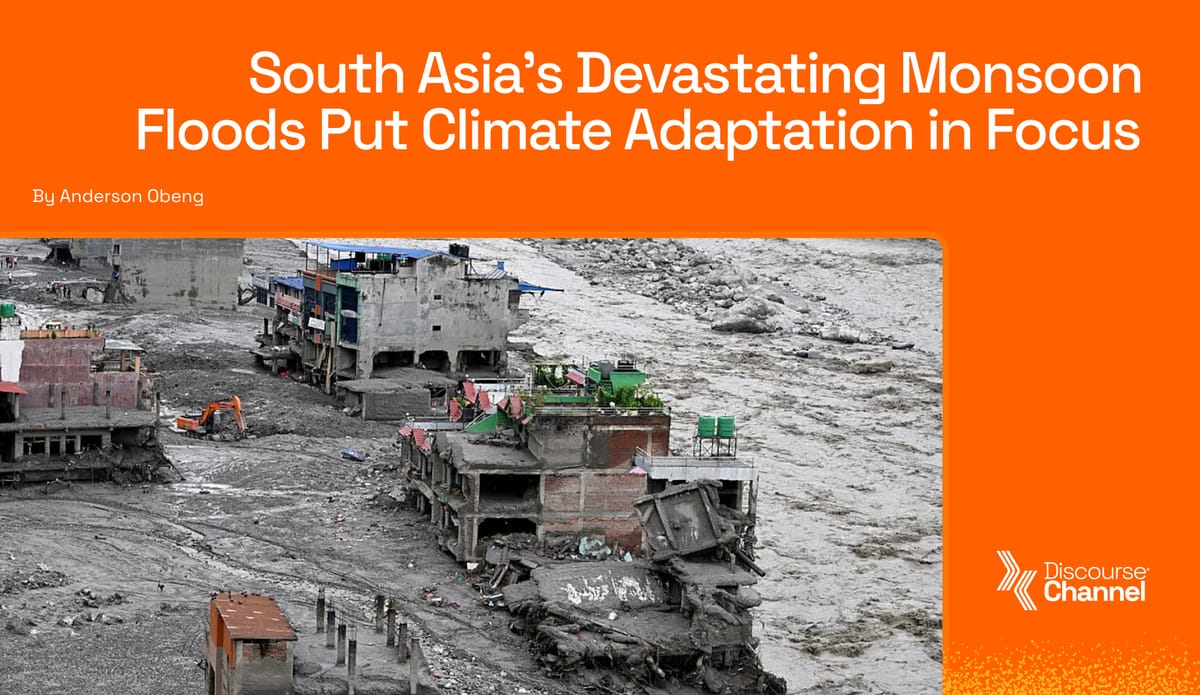
South Asia has faced another difficult period of flooding, with recent disasters in Pakistan, Bangladesh and Nepal showing how quickly heavy rainfall can disrupt agriculture and rural livelihoods.
In Pakistan, a Food and Agriculture Organization (FAO) assessment found that the 2025 monsoon floods inundated approximately 14,498 square kilometres of agricultural land across Punjab, Sindh and Khyber Pakhtunkhwa. About 11.3 million people were exposed to floodwaters across the three provinces.
The damage has continued to raise concerns about food production, farmers’ incomes and the ability of communities to recover before the next planting season.
Flooding in 2026 has brought further pressure. In Bangladesh, heavy monsoon rains, flash floods and landslides affected an estimated 1.28 million people across seven districts in July. A United Nations situation report recorded damage to 27,007 hectares of cropland, alongside losses to livestock and essential services.
These events highlight a problem that governments can no longer afford to treat as a seasonal emergency alone: how to protect agriculture and communities from increasingly damaging weather.
When Farmland Goes Underwater: The monsoon is essential to agriculture across South Asia. Farmers depend on seasonal rainfall to grow rice and other crops, while communities rely on it to replenish water supplies.
But heavy rainfall can become destructive when rivers overflow, drainage systems fail o, or water rises faster than communities can respond. The effects are immediate. Crops can be destroyed, livestock lost, and roads damaged. Farmers may also lose seeds, equipment and stored produce, making it harder to return to farming after the floods recede.
Nepal experienced these challenges in August 2026, when flash floods swept through the Bhote Koshi–Trishuli river corridor. The FAO reported that around 1,800 hectares of crops, mostly paddy, were damaged, alongside losses of livestock and agricultural infrastructure.
For farming families, these losses go beyond one harvest. They can affect the money available for food, school fees and the next planting season. When roads and markets are damaged, even farmers whose crops survive may struggle to sell their produce.
Climate Adaptation Can No Longer Wait
The scale of these losses raises an important question: are governments doing enough to prepare for extreme weather before it strikes?
Climate adaptation involves practical steps to reduce the damage caused by floods, droughts and changing rainfall patterns. In agriculture, that can include better drainage, flood-resistant crops, improved irrigation, early-warning systems and more reliable weather information for farmers. Governments can also strengthen roads, bridges and storage facilities to reduce disruption when flooding occurs.
These measures require investment, but waiting until a disaster happens can leave governments facing much higher recovery costs. Replacing destroyed crops and repairing infrastructure after a flood is only part of the challenge. Communities also need support to restore their livelihoods and prepare for the next growing season.
Preparation must therefore become part of long-term agricultural planning, rather than something governments focus on only after a disaster makes headlines.
The Threat to Food Security
Floods do not affect only the farmers whose land is submerged. They can also disrupt food supplies and push up costs across the wider economy. When harvests are lost, less produce may reach local markets. Damaged roads can delay deliveries, while farmers who lose their income may struggle to afford seeds and fertiliser for the next season.
Smallholder farmers are particularly vulnerable because many have limited savings and little protection against major losses. One bad season can leave them in debt or force them to seek other sources of income. This makes climate adaptation a food security issue as much as an environmental one.
Better flood forecasting, stronger irrigation and drainage systems, and access to financial support can help farmers manage risks. Governments also need recovery plans that provide seeds, equipment and other assistance quickly enough for farmers to plant again.
What Governments Need to Do
The evidence from South Asia points to the need for more practical and consistent action. First, early-warning systems must reach people in time for them to respond. Warnings should be clear and accessible, particularly for rural communities that may have limited access to reliable information.
Second, infrastructure needs to reflect local flood risks. Roads, drainage systems, irrigation networks, and storage facilities should be built and maintained to withstand heavy rainfall. Third, governments need to make climate adaptation a regular part of public spending. Funding for prevention should not depend entirely on emergency appeals after a disaster.
Finally, farmers need to be part of the planning process. They understand the conditions on their land and the challenges they face during each growing season. Their experience can help governments identify which measures are likely to work.
Why This Matters for Africa
Although these events are taking place in Asia, the lessons are relevant to African countries as well. Agriculture across much of Africa depends on rainfall, and farmers face risks from both floods and droughts. Damage to crops can affect household incomes, food prices and national food security. Governments therefore have a strong reason to invest in weather forecasting, climate-resilient farming, water management and disaster preparation.
The experience in South Asia also shows that responding to a disaster is not enough. Countries need systems that help communities prepare, protect their livelihoods and recover before the next planting season begins.
The Way Forward
The 14,498 square kilometres of agricultural land inundated during Pakistan’s 2025 monsoon floods show the scale of damage that extreme weather can cause. Further flooding in Bangladesh and Nepal during 2026 has reinforced the importance of protecting farms, infrastructure and rural communities.
The answer is not to stop the monsoon. It is to reduce the damage when heavy rainfall arrives. That requires better planning, reliable funding and support for the people most exposed to these risks.
Climate adaptation should not begin after farmers have lost their crops. It should begin before the rains arrive, when there is still time to protect lives, livelihoods and food supplies.