Tourism‑Conservation Nexus: Rwanda Initiative Links Nature and Livelihoods
By focusing on local women’s participation in tourism value chains, the programme aims to boost incomes in forest‑adjacent communities and strengthen the link between conservation and sustainable livelihoods.
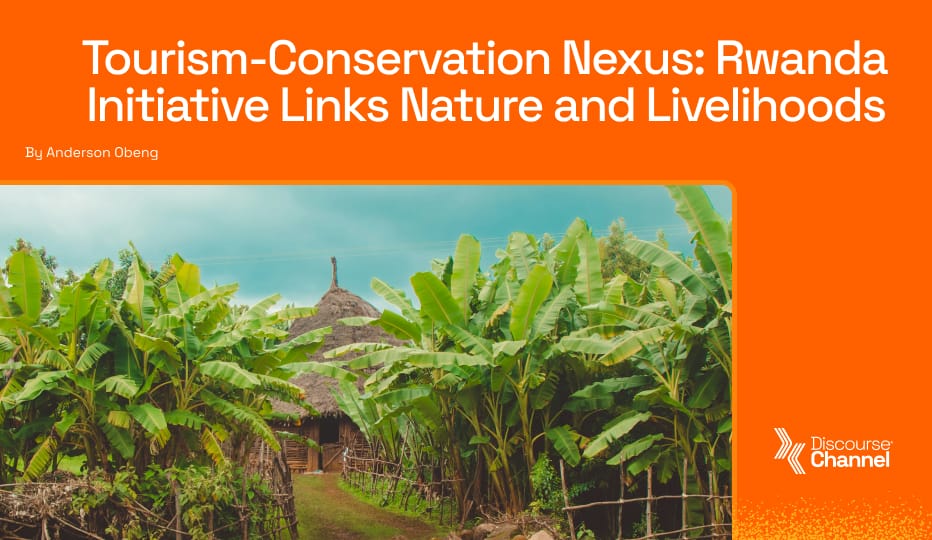
In Rwanda, a community‑centred initiative is positioning eco‑tourism and handicraft production as pillars of rural economic development while reinforcing environmental stewardship. By focusing on local women’s participation in tourism value chains, the programme aims to boost incomes in forest‑adjacent communities and strengthen the link between conservation and sustainable livelihoods.
Rather than viewing protected landscapes only through the lens of biodiversity, this approach treats them as assets around which inclusive economic activity can grow. Women artisans benefit not just from selling traditional crafts, but from being integrated into tourism‑related services from guiding visitors to managing small hospitality enterprises all of which complement broader conservation goals. The project reflects a shift toward development models that combine natural resource protection with community agency and market engagement.
What we are watching:
- A new transboundary initiative involving Malawi, Mozambique, and Tanzania has been launched to support sustainable management of the Ruvuma River Basin. Adopting a “source‑to‑sea” framework, the programme seeks to enhance climate resilience and cooperation among riparian communities and governments illustrating how environmental strategies increasingly span national borders and integrate ecosystem protection with livelihoods.
- Across southern Africa, conservation initiatives that intentionally link tourism revenue with community benefits are gaining traction. In models such as communal conservancies in Namibia and community wildlife management areas in Mozambique, local residents are taking active roles in biodiversity protection while deriving income from tourism and natural resource enterprises.
Africa’s rural landscapes are at the intersection of ecology and economy. Traditional conservation frameworks, which often separated people from protected areas, are giving way to integrated models where community participation, tourism revenue, and environmental protection reinforce one another.
When local people, especially women, have clear economic pathways tied to ecosystem health, it creates a mutually reinforcing cycle: conservation enriches tourism, tourism supports local livelihoods, and strengthened communities help protect natural resources. This dynamic is increasingly visible in Rwanda and across the region, where policymakers and development partners are experimenting with frameworks that align economic opportunity with environmental sustainability.
At the same time, transboundary efforts like the Ruvuma River Basin initiative underscore that ecological challenges from watershed degradation to climate impacts require coordinated action across political borders. By linking community empowerment with regional cooperation, these approaches point to a more holistic and resilient future for Africa’s natural and human systems.