South Africa Highlights Fintech Innovation and Digital Policy Priorities
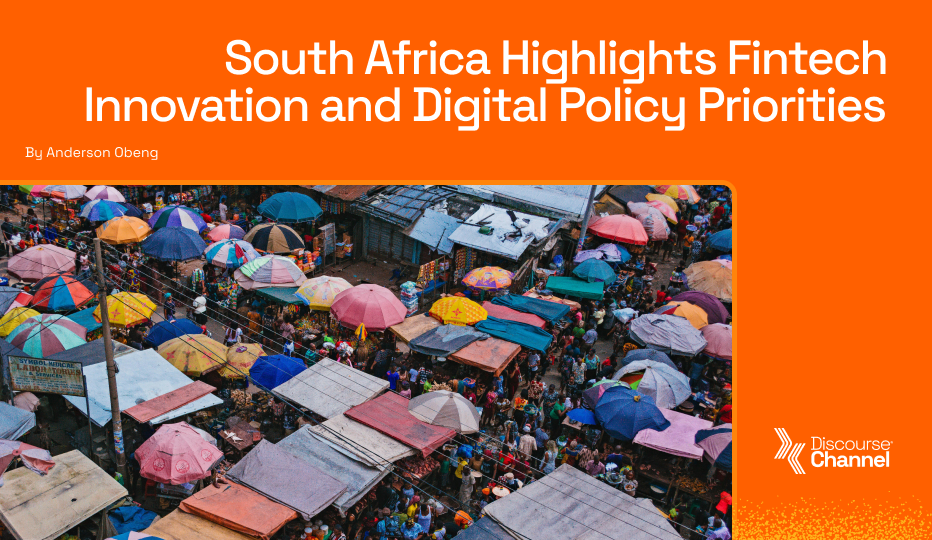
South African digital economy officials are spotlighting the role of local startups in developing blockchain and cryptocurrency‑based financial solutions tailored to communities in townships and other underserved areas. These fintech innovations aim to expand financial inclusion by offering alternatives to traditional banking services and helping users access secure, low‑cost digital financial tools.
Government representatives have also emphasized the importance of policy frameworks and digital infrastructure to support this early‑stage innovation. Officials note that building a clear national digital strategy and strengthening cybersecurity protections are essential to ensure that people using digital financial services can do so safely and with confidence. These efforts include improving regulatory clarity, enhancing data security standards, and working with the private sector to develop risk‑aware digital platforms.
Such priorities reflect broader government commitments to support digital transformation across sectors, recognizing that secure, inclusive financial technology ecosystems can reduce barriers for individuals and small businesses currently outside formal financial systems.
What we are watching:
- South African officials have said the country plans to work with other African states, including Zimbabwe, Malawi, Kenya, Gabon, and Egypt, through the International Telecommunication Union (ITU)’s network of digital acceleration centres. These centres are intended to support digital skills development, technology adoption, and cooperation on digital policy within the region.
This engagement reflects South Africa’s ongoing involvement in continental discussions about digital infrastructure, cooperation, and capacity building, particularly through multilateral forums that include ITU‑supported initiatives.
The combination of local fintech innovation and government action on digital policy points to a continuing shift in how financial services are delivered and regulated in South Africa. Startups working with technologies like blockchain and cryptocurrency are developing practical solutions that meet local needs, demonstrating that innovation is emerging from within communities not just imported from global hubs.
At the same time, the government’s focus on digital strategy and cybersecurity underscores the recognition that innovation must be paired with governance frameworks that protect users and foster trust. By emphasizing both technological creativity and institutional safeguards, South Africa is seeking to strike a balance between enabling new digital services and ensuring that users can adopt them safely.
For readers watching trends in African digital transformation, this signals a maturing ecosystem where regulatory clarity and entrepreneurial innovation increasingly go hand in hand.