Rwanda Harnesses DNA Technology to Protect Endangered Wildlife
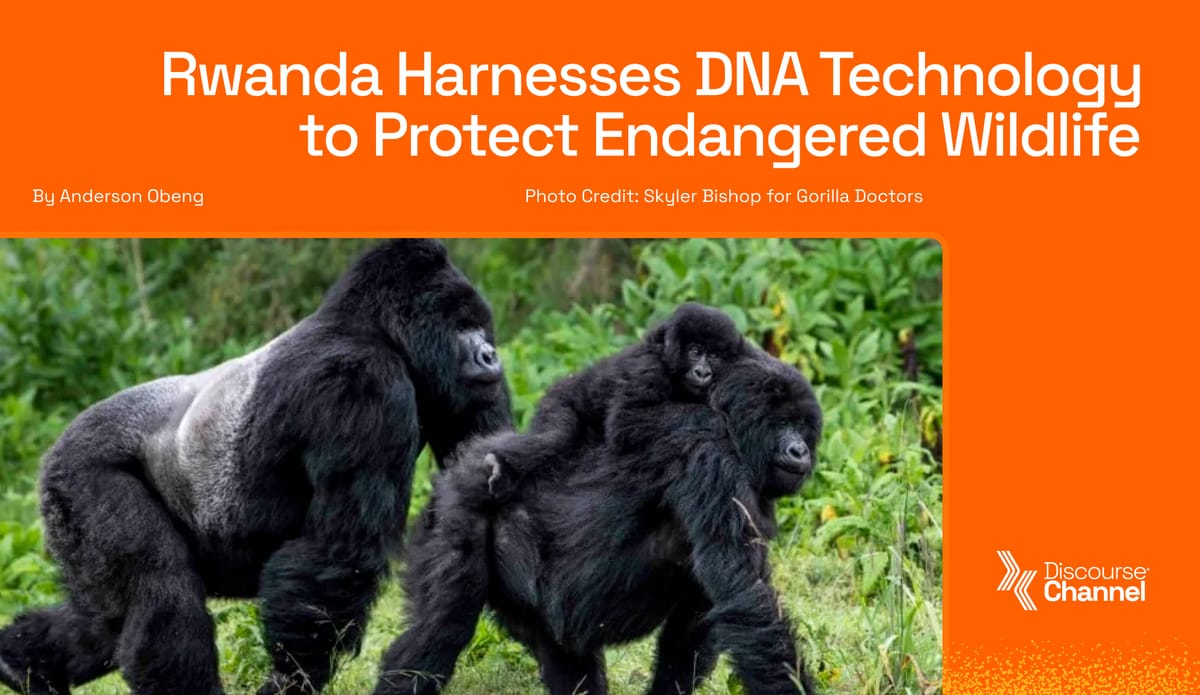
Scientists at Rwanda’s Volcanoes National Park have begun using environmental DNA (eDNA) technology to monitor endangered mountain gorillas and golden monkeys without disturbing their natural habitats.
Conservation is no longer driven by field observations alone. Across Africa, technology is reshaping how scientists protect endangered wildlife, offering faster, more accurate ways to monitor biodiversity while minimizing human impact. This week, Rwanda showcased how innovation is becoming a powerful tool for conservation.
Scientists at Rwanda’s Volcanoes National Park have begun using environmental DNA (eDNA) technology to monitor endangered mountain gorillas and golden monkeys without disturbing their natural habitats.
The technology allows researchers to detect genetic material left behind in the environment, providing valuable data on wildlife populations, movement, and ecosystem health without direct contact with the animals. The approach is expected to strengthen conservation efforts while reducing stress on vulnerable species.
The initiative reflects a broader shift toward technology-driven biodiversity management, where advanced scientific tools are helping improve wildlife monitoring, inform conservation policies, and protect Africa’s rich natural heritage. As innovative tools become more accessible, they are expected to play a growing role in protecting biodiversity while supporting long-term climate resilience.