From Statute to Structure: Africa's Digital Assets Next Phase
Ghana, Nigeria and Kenya each passed landmark digital asset legislation within about thirteen months of one another. With the Digital Assets Summit Africa returning to Accra, the coming months will test whether implementation can keep pace with adoption that's already outrun Law three times over.

FACTS
Three million Ghanaians already hold or transact in digital assets, Bank of Ghana First Deputy Governor Dr Zakari Mumuni told the Standard Chartered Digital Assets Summit in Accra this June, describing an ecosystem that has moved from curiosity to “a present-day economic reality” worth billions of dollars. Ghana's Parliament passed the Virtual Asset Service Providers Act, 2025 (Act 1154) in December, 2025, splitting oversight between the Bank of Ghana and the Securities and Exchange Commission. Six firms have since entered the SEC's regulatory sandbox, and Governor Dr Johnson Pandit Asiama has set 2027 as the target for full operationalisation.
Nigeria moved first. President Bola Tinubu signed the Investments and Securities Act 2025 in late March, formally classifying digital assets as securities; Nigeria's SEC has since said the country recorded roughly $96 billion in crypto and virtual-asset transaction value in 2025. A frequently cited $1.5 billion "2025 revenue" figure for Nigeria's crypto market circulates in industry commentary. In August, the SEC published proposed rules on digital-asset custody, markets, registration fees and tiered capital minimums, with public consultation running to September 3, 2026.
Kenya followed in October, when President William Ruto signed the Virtual Asset Service Providers Act, 2025, dividing supervision between the Central Bank of Kenya (payment processors, stablecoin issuers) and the Capital Markets Authority (exchanges, asset managers), under a one-year compliance window running to November 2026. Crucially, the regulatory gap that shadowed Kenya's law for most of its first year has now closed: after a March 2026 draft and public consultation, the National Treasury published finalised implementing regulations on July 22, 2026. Prospective VASPs now have until November 4, 2026, when the Act's one-year transitional period expires, to secure a license or stop operating.
Digital Assets, Regulation, and Pan-African Economic Empowerment | w/ Prof. Tonya Evans & Peter Manso.
ADC ANALYSIS
Read together, these are not three separate policy stories but one continental instinct now entering its second, harder phase. Each country rejected the choice between banning digital assets and ignoring them, opting instead for what Mumuni called “engagement”: regulating the service layer rather than the technology, splitting monetary from investment oversight, and sequencing sandboxes ahead of full licensing. Mumuni drew the comparison explicitly, framing tokenisation and cross-border settlement as the next chapter of a financial-inclusion story mobile money already wrote across the continent.
That instinct is now being tested by implementation over intention. Kenya's July regulations mean the coming two months (to the November 4 deadline) will show whether the country's roughly 6.1 million digital-asset holders are served by licensed local entities or by unlicensed offshore platforms operating outside the new perimeter. Ghana's 2027 target means the next twelve months are about writing the operational guidance: AML/CFT rules, prudential requirements, advertising rules that the law promised but hasn't yet delivered;
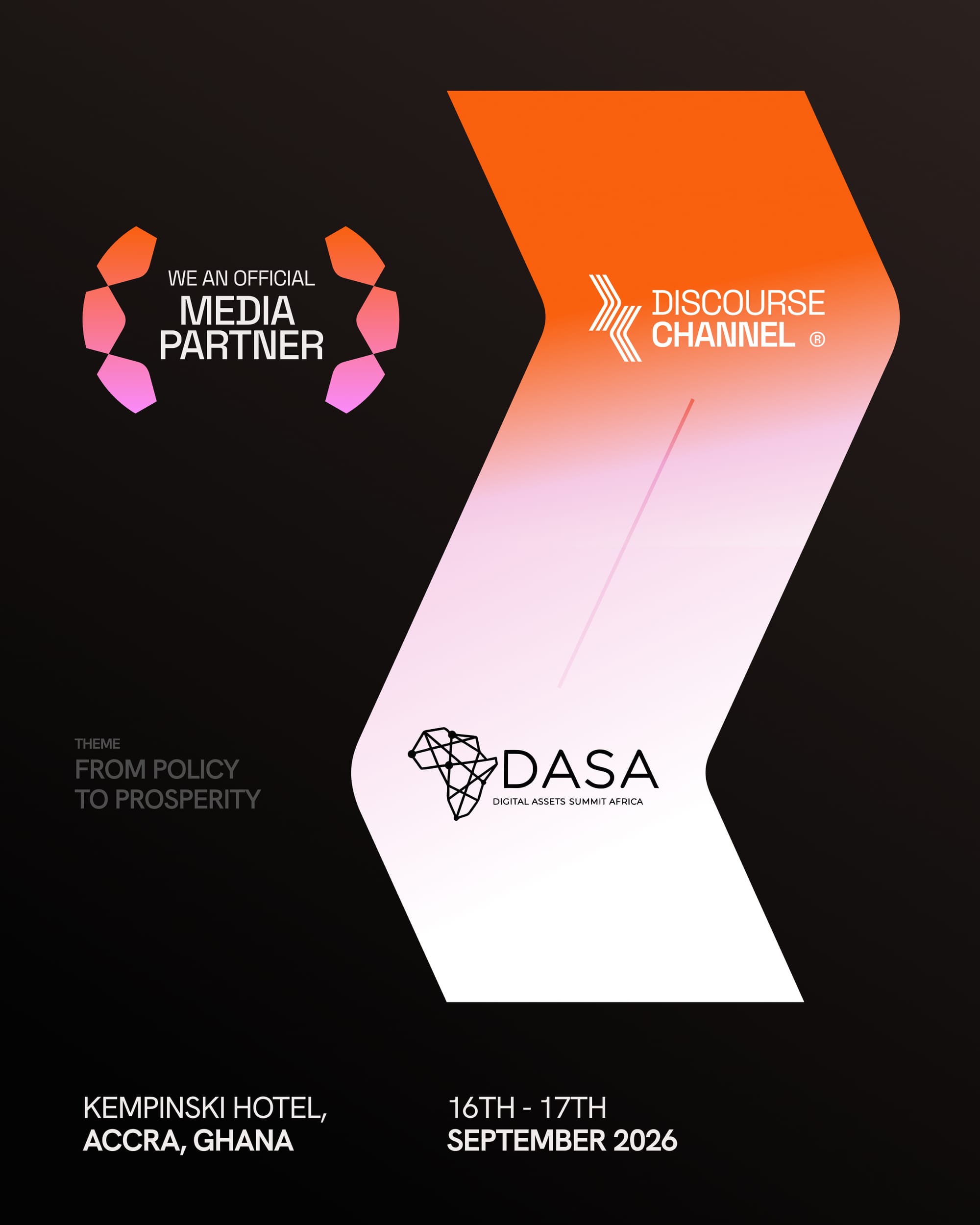
The Digital Assets Summit Africa, returning to Accra's Kempinski Hotel on 16 and 17 September under the theme “From Policy to Prosperity,” is where that instinct becomes visible. More than 500–1,000 delegates are expected, with confirmed speakers including Ghana's Finance Minister Dr Cassiel Ato Baah Forson, SEC Ghana Deputy Director-General Mensah Thompson, Bank of Ghana's Tahiru Alhassan, Central Bank of Nigeria payments-policy director Jimoh Musa Itopa, sharing programming with licensed sandbox operators, regulators from Liberia, Zimbabwe and Lesotho, and a certification track built with universities to staff the sector ahead of full licensing.
ROOM FOR DISAGREEMENT
Not every observer reads the pace as healthy. Ghana's regulators ordered virtual asset providers to halt public advertising in February, weeks after the sandbox opened and before detailed marketing rules existed; enforcement arrived ahead of the guidance operators needed to comply. In Kenya, the Virtual Asset Service Providers Act took effect in November 2025, yet the National Treasury had not finalised implementing regulations as of the most recent regulatory filing, leaving a law in force with no provider yet able to be licensed under it. Nigerian operators, meanwhile, are absorbing a third distinct regulatory layer since 2022 — original SEC rules, 2024 amendments, and now the 2025 Act; a moving target that weighs harder on smaller firms than on incumbents.
WHAT ELSE MATTERS
None of these frameworks are built for domestic protection alone. Kenya's law is explicitly tied to exiting the Financial Action Task Force (FATF) grey list; Treasury has said it is targeting removal by May 2026. Ghana's Act followed a national money-laundering risk assessment that flagged virtual assets' growing ties to the formal banking system. The African Continental Free Trade Area's cross-border ambitions sit behind all three efforts, with intra-African trade currently sitting at roughly 15–16% of the continent's total trade, per Afreximbank's 2026 outlook. However, a functioning Pan-African Payment and Settlement System (PAPSS), paired with clearer digital-asset rules, is projected to help narrow the gap by cutting foreign-exchange costs.
CROSSING THE LANGUAGE LINE
Ghana's frameworks also face a currency and language wall next door. A Ghanaian trader settling with Lomé, Abidjan or Dakar often routes Cedi-to-CFA franc payments through dollar- or euro-denominated correspondent banks, adding two to five per cent in fees against an intra-African trade share still stuck at 15 to 18 per cent, per the International Trade Centre. African Media Agency, now DASA 2026's Pan-African PR partner, argues Act 1154's regulated digital assets only close that gap if paired with bilingual outreach to WAEMU and the BCEAO; financial rails and cross-border storytelling, built together.
WHAT NEXT
Three things to watch between now and DASA 2026's close:
If Kenya's November 4 deadline produces a working set of licensed VASPs or a compliance cliff that pushes activity further into unregulated, cross-border platforms.
Whether Ghana's Virtual Assets Coordinating Committee — now formally inaugurated, pooling BoG, SEC, the Finance Ministry, the Cyber Security Authority and the Financial Intelligence Centre actually produces the operational guidance the sector has been waiting on since the February advertising halt, ahead of the 2027 full-operationalisation target.
Whether Nigeria's SEC, closing its consultation window September 3, finalises custody and markets rules that smaller digital-asset operators can realistically meet, or whether the ₦2 billion capital floor for exchanges and custodians becomes a de facto consolidation event favouring incumbents.
None of these is settled. What's changed since the law-passing phase is that the story is no longer about which of Africa's three largest digital-asset markets will regulate; it's about whether regulation, sandbox admission and licensing can move at the speed the ecosystem itself already does.
Building Africa's Digital Money Future