Road, Rail, and Energy projects continue in Ethiopia, though progress varies by region
Ethiopia has kept moving forward on major infrastructure projects, from roads and railways to expanding its energy capacity. While progress varies by region, Ethiopia’s long-term strategy is clear: reliable power and transport are key to attracting investment and driving growth.
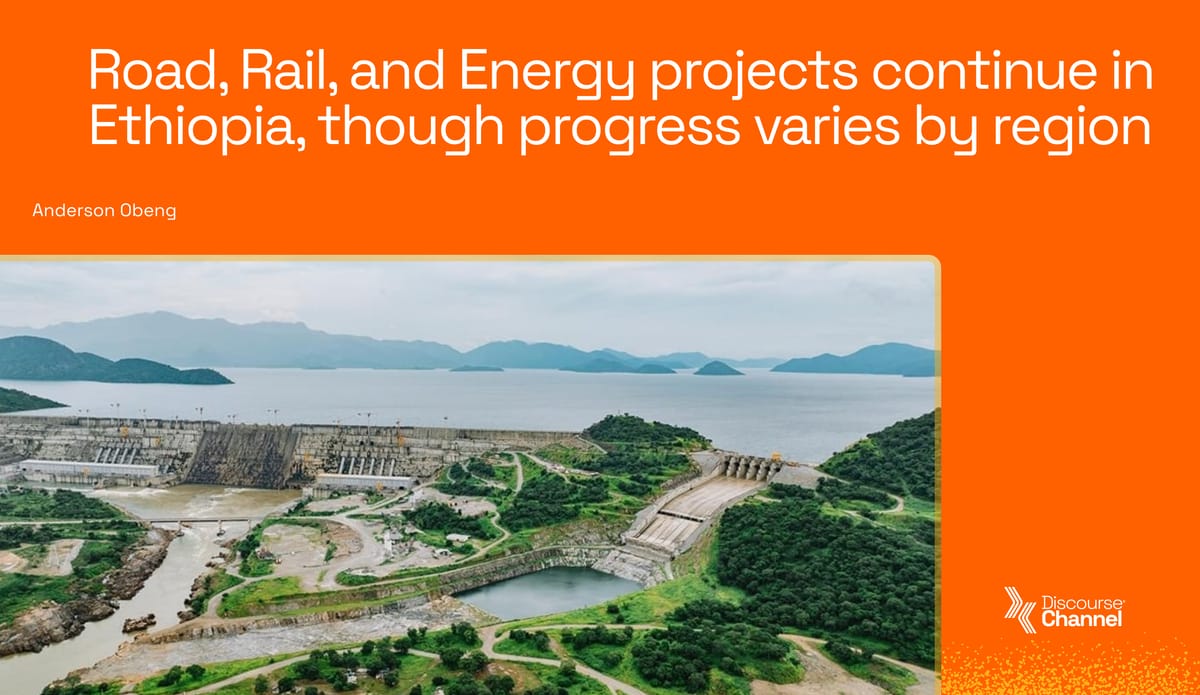
Ethiopia has kept moving forward on major infrastructure projects, from energy, roads and railways to expanding its energy capacity. While progress varies by region, Ethiopia’s long-term strategy is clear: reliable power and transport are key to attracting investment and driving growth. In recent years, expanding energy capacity has become a top priority, making the country more appealing to tech companies and industrial investors that need stable operations. This push includes large hydropower projects such as the Koysha Dam and Grand Ethiopian Renaissance Dam, which is designed to increase electricity supply and support industrial growth.
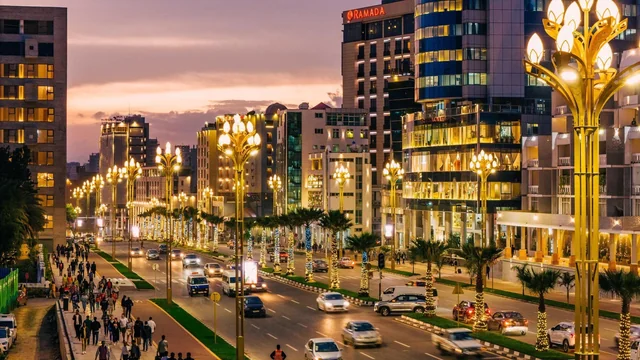
As power becomes more dependable, new opportunities open for tech startups, data centres, and energy-intensive industries. Energy is no longer just a basic service; it is becoming a strategic asset for Ethiopia’s economy. Transport upgrades support this shift by linking industrial zones to cities, ports, and regional markets, lowering costs and improving efficiency.
What we are watching
- Africa Receives Just 0.02% of Global AI Funding. Despite global growth in artificial intelligence, African companies are receiving a tiny fraction of investment. Infrastructure gaps, including inconsistent power and logistics, make scaling harder. Countries like Ethiopia that improve these basics may be better positioned to attract future AI and tech investments.
- The South African Government calls for investment in the circular economy, targeting plastic waste and recycling projects. Investments in recycling plants and green logistics show how infrastructure and energy reliability can create new industries while promoting sustainability. These initiatives highlight the broader connection between infrastructure, policy, and economic opportunity across Africa.
Ethiopia’s infrastructure and energy push is about more than roads and dams. It is about laying a foundation for modern industries, digital services, and sustainable growth. Investors and tech companies see the potential for downstream industries to thrive once power and transport become reliable. African economies that strengthen these core systems are more likely to attract high-value sectors and foster innovation.
Energy and infrastructure are no longer standalone sectors. They are the starting point for broader economic transformation. Ethiopia’s approach shows that reliable electricity and connectivity are key to turning potential into real growth. For tech companies, industrial investors, and policy makers, the lesson is clear: the countries that get the basics right first, power, transport, and logistics will be best positioned to capture Africa’s next wave of economic opportunity.