Regional Health Financing Push Highlights System Pressure Across West and Central Africa
Health ministers from West and Central Africa have recently advanced discussions on strengthening health financing systems, with a focus on improving primary healthcare delivery and building more sustainable funding models.
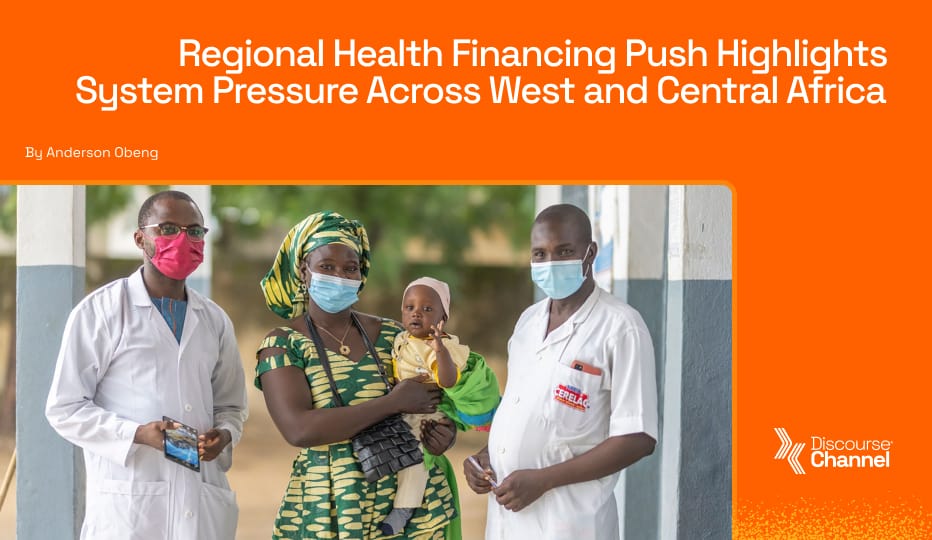
Health ministers from West and Central Africa have recently advanced discussions on strengthening health financing systems, with a focus on improving primary healthcare delivery and building more sustainable funding models.
At the center of the discussions is a shared concern: how to build more predictable financing structures that can support expanding healthcare needs across rapidly growing populations.
What we are watching:
- A regional health workforce forum involving health officials, technical institutions, and partners convened in Accra to examine ongoing shortages in doctors, nurses, and frontline health workers.
- The World Health Organization has continued to highlight significant health workforce shortages across Africa. Updated assessments show that many countries on the continent face substantial gaps between available health workers and population needs, with shortages affecting both urban and rural healthcare delivery.
While governments and partners continue to explore more sustainable financing approaches, staffing gaps remain a persistent constraint on service delivery and system performance.
The combined challenge underscores the need for integrated reforms that address both how health systems are funded and how they are staffed.
Africa’s health systems are entering a phase where financing and workforce capacity are increasingly linked to challenges.
The current policy direction reflects a broader shift toward strengthening primary healthcare, improving system resilience, and addressing long-standing structural gaps in staffing and funding across the region.