Mines to Markets: Empowering SMEs Through Extractive Industry Partnerships
Ghana's mining companies are tripling local procurement by investing in SME advisory services, creating a replicable model for inclusive growth across Africa as corporate investment surpasses traditional development aid.

By Lawrencia Awuah, Ghana Chamber of Mines & John Scicchitano, Pangea Africa Ltd
The landscape of African economic development is undergoing a transformation. While traditional international development aid budgets are shrinking, corporate investment is surging, driven by the continent's vast potential and strategic importance. Corporations are increasingly powerful drivers of economic transformation and inclusive growth. With their substantial resources and operational expertise, corporations are leveraging their own investments, as well those of publicly-funded development initiatives, to maximize social impact. This shift represents an opportunity to foster sustainable and equitable growth across Africa that is less reliant on donor assistance.
McKinsey Global institute estimates that a potential of $3 trillion of extractive industry resource investments in low and medium income countries is three times greater than annual development aid flows to those countries.
mckinsey.com/mgi
Ghana's Mining Sector: A Model for Equitable Growth
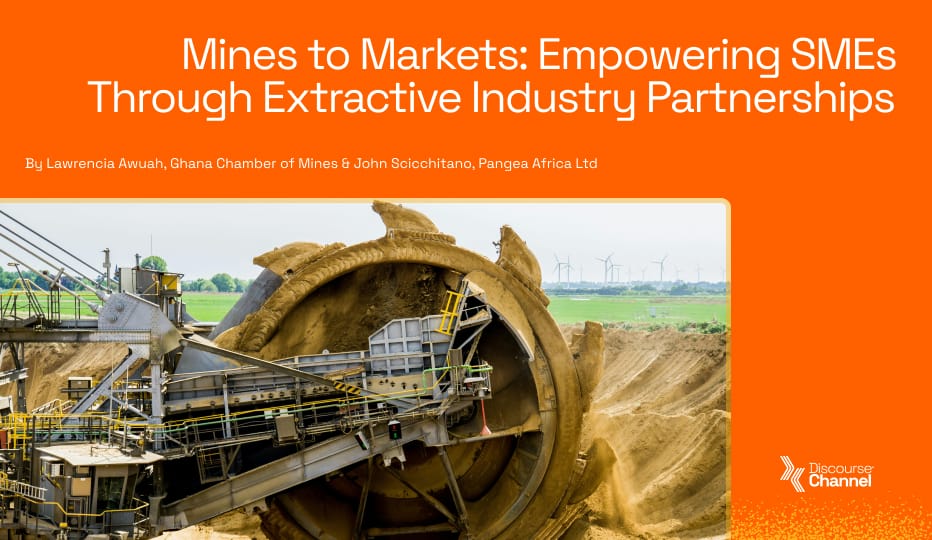
Africa's mineral wealth is indispensable for global manufacturing, powering everything from electric vehicles to renewable energy technologies. Africa holds 30% of the world’s mineral reserves, and more than half for critical minerals like cobalt, chromium, manganese, and bauxite. Ghana’s mining industry is Africa’s leading producer of gold, and second leading producer of manganese.
The mining sector attracts more than half of all foreign direct investment (FDI) into the Ghanaian economy, and generates more than one-third of all export revenues. Gold Fields Ghana, a key player in the nation's mining landscape, has significant investments in mines such as the Tarkwa and Damang mines, and is a major contributor to the nation's economy. Ghana's proactive Local Content regulations, which mandate that mining companies procure goods and services from local enterprises, including small and medium-sized enterprises (SMEs), are instrumental in fostering inclusive growth. These regulations aim to maximize inclusive economic and social benefits of Ghana’s mineral wealth.
"Sell shovels in a gold rush": Realizing Equitable Growth Through Local Content
During the 1849 California Gold Rush, a few gold prospectors struck it rich, but many more people made money selling shovels, tents, food, clothing, and other supplies and services to miners. Local Content regulations enable Ghanaian SMEs to do the same, not only contributing to poverty reduction, but also generating wealth for local entrepreneurs. Gold Fields Ghana, acting through its Foundation, has an innovative approach to seizing the opportunities for inclusive growth.
By focusing on providing business advisory and investment facilitation services to SMEs, it can sharply increase the volume of goods and services procured locally, keeping more mining wealth within Ghana’s borders. It is equally concerned with assisting enterprises in proximity to its mines, thus promoting local economic development that extends far beyond the direct impact of mining. Gold Fields Vice President for External Affairs, Michael Akafia suggests that “Gold Fields can triple its local procurements in select categories by helping SMEs grow and access finance to supply the goods and services we procure every day.”
Gold Field’s strategy to realise this potential has four parts:
(1) identify high-performing SMEs, including its current local suppliers, who are positioned to ramp up their supply;
(2) advise these SMEs so that their business plans, business models, and management teams are compelling and attractive to capital providers;
(3) enable SMEs to access financing so that they have the working capital and assets needed to produce consistent quality and quantity of goods and services;
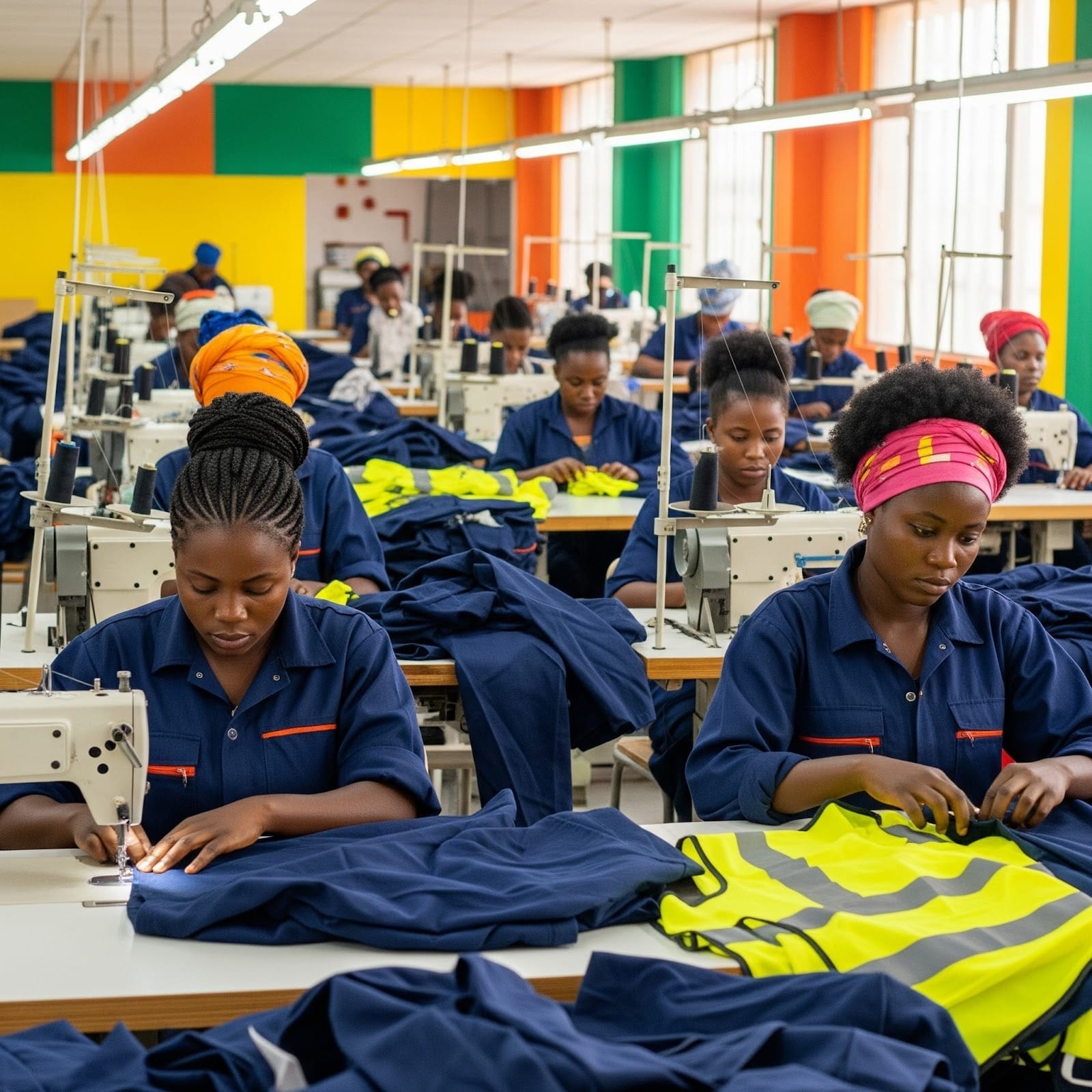
(4) sign contracts with the SMEs which will boost their revenues, profits, and social impacts. Pangea Africa Ltd, a local advisory services firm that has implemented projects in support of SMEs with funding from development agencies like British International Investment and USAID, has employed a similar, successful approach to accelerate the growth of SMEs. Three value chains have been identified as “low-hanging fruit”: recycled plastic items, vegetable production, and personal protective equipment (PPE) manufacturing. These value chains have proven potential to empower local entrepreneurs, create jobs, and stimulate economic diversification.
Replicating Success and Expanding Impact
The success of these initiatives in Ghana holds immense potential for replication across Africa. By embracing similar models of local value creation, other mining companies can contribute to equitable growth and sustainable development. The key lies in fostering strong partnerships between corporations, SMEs, and local communities, while also implementing policies that promote local content and empower entrepreneurs. Co-founder of Pangea Africa John Scicchitano says, “The private sector is always the engine of economic growth: not NGOs or public projects. Ghanaian mining companies are showing how corporations can be global citizens, using their economic might to benefit rural communities.”
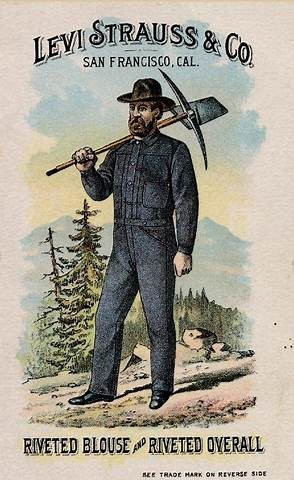
Africa's SMEs, equipped to sell their goods and services to corporations, are also positioned to satisfy growing consumer demand in African economies. Levi's is a powerful example: the company started as a small business selling jeans to California gold miners. With the capacity to produce a quality product to this niche market, it rapidly expanded its reach to serve consumers and become the global brand that it is today.
Another opportunity for scaling and replicating the success of these initiatives is working with and through the Ghana Chamber of Mines to implement the Chamber’s quest to position Ghana as a true mining hub through enhanced value creation, especially from the input side. This is expected to manifest in support for enterprises looking to manufacture or add more value to certain identified mining inputs. This initiative is expected to start with items that have been found to be “low hanging fruits" because of the relative ease with which these business objectives can be realised. Items making the list include activated carbon and caustic soda.
Watch this space for more examples of African SMEs, growing through advisory services provided by Pangea Africa, powered by Ghanaian mining leaders. These partnerships are driving a new era of economic transformation, where large corporations and small enterprises work together to build a prosperous and sustainable future for Africa.
Outline:
- The Power of Corporate Investment in Africa:
- Shifting landscape: declining development aid, rising corporate investment.
- Corporations as drivers of economic transformation and inclusive growth.
- Leveraging past development lessons for strategic social impact.
- Ghana's Mining Sector: A Model for Equitable Growth:
- Africa's critical mineral wealth and its global importance.
- Mining's significant contribution to African GDP.
- Growing investment in Ghana's mining sector, exemplified by Gold Fields Ghana.
- Gold Fields Ghana's operations and impact.
- Ghana's "local content" policies: fostering SME growth.
- "More Money in Shovels": Realizing Equitable Growth Through Local Content:
- The principle of maximizing local benefits beyond direct extraction.
- Focus on SME development and value chain integration.
- Gold Fields Ghana's Innovative local procurement approach.
- Gold Fields Ghana and Pangea partnership: Plastics recycling, vegetables, and PPE.
- Pangea's role in SME support.
- Replicating Success and Expanding Impact:
- The potential for large corporations to create lasting social and economic change.
- Ghana's mining sector as a blueprint for inclusive growth in Africa.
- Private Sector as engine of growth.
- SME growth and consumer demand.
- Looking to the future.
Additional references
ESG is key to ethical and sustainable critical minerals supply