Kenya begins historic elephant conservation effort
Kenya has started a major new effort to protect its elephant population, and many see it as a turning point for wildlife conservation in the country.

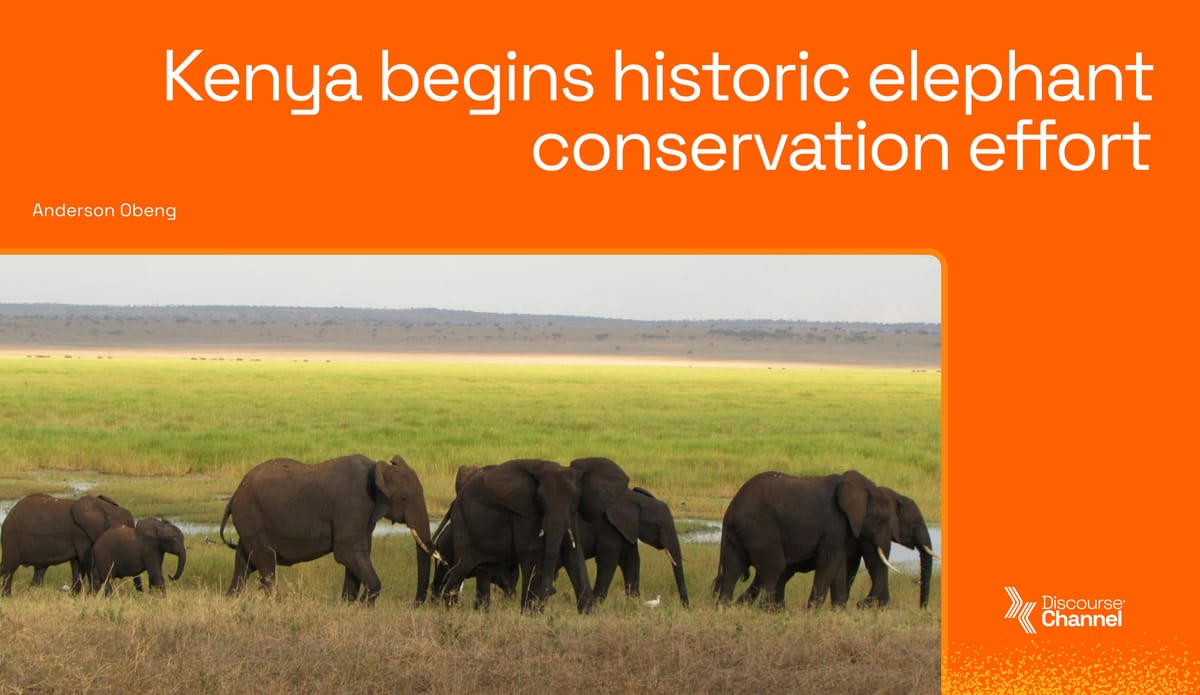
Kenya has started a major new effort to protect its elephant population, and many see it as a turning point for wildlife conservation in the country. The plan focuses on keeping elephant migration routes open, reducing clashes between people and wildlife, and using better tools to track where elephants move and how they live.
Elephants are deeply important to Kenya. They support tourism, help keep ecosystems healthy, and are part of the country’s identity. But over the years, their space has been shrinking. Climate change, farming, and expanding towns have made it harder for elephants to survive without coming into conflict with people. This new effort shows Kenya is trying to fix the problem before it gets worse.
What stands out is the shift in thinking. Conservation is no longer just about protecting animals inside parks. It now includes working with nearby communities, planning land use better, and finding ways for people and wildlife to live side by side.
What we are watching:
- There are signs of hope elsewhere on the continent. In Virunga National Park, rare mountain gorilla twins were recently born. For a species still at risk of extinction, this is a powerful reminder that conservation efforts can work, even in difficult places.
- At the same time, new funding linked to carbon markets is being directed toward African ecosystems. This money is meant to protect forests, wildlife, and natural land while also supporting local communities. For many countries, carbon finance is becoming a new way to pay for conservation without relying only on aid.
Kenya’s elephant effort comes at a moment when Africa is facing serious environmental pressure. Wildlife loss, climate shocks, and land stress are already affecting livelihoods and economies.
Protecting elephants is not just about saving animals. It also helps protect tourism jobs, water systems, and the natural balance many communities depend on. The same thinking applies to gorilla protection and forest conservation across the continent.
Across Africa, conservation is slowly changing. Governments and partners are starting to plan for the long term, using better data, new funding tools, and stronger community involvement.
Kenya’s move suggests that wildlife protection is becoming part of national planning, not an afterthought. If it works, it could show other countries that conservation and development do not have to compete, they can support each other.