Kenya approves breakthrough HIV prevention drug, lenacapavir
Kenya approves rollout of injectable HIV prevention drug, many health experts see this new HIV prevention drug as a major step forward. Unlike daily HIV prevention pills, lenacapavir is long-acting.

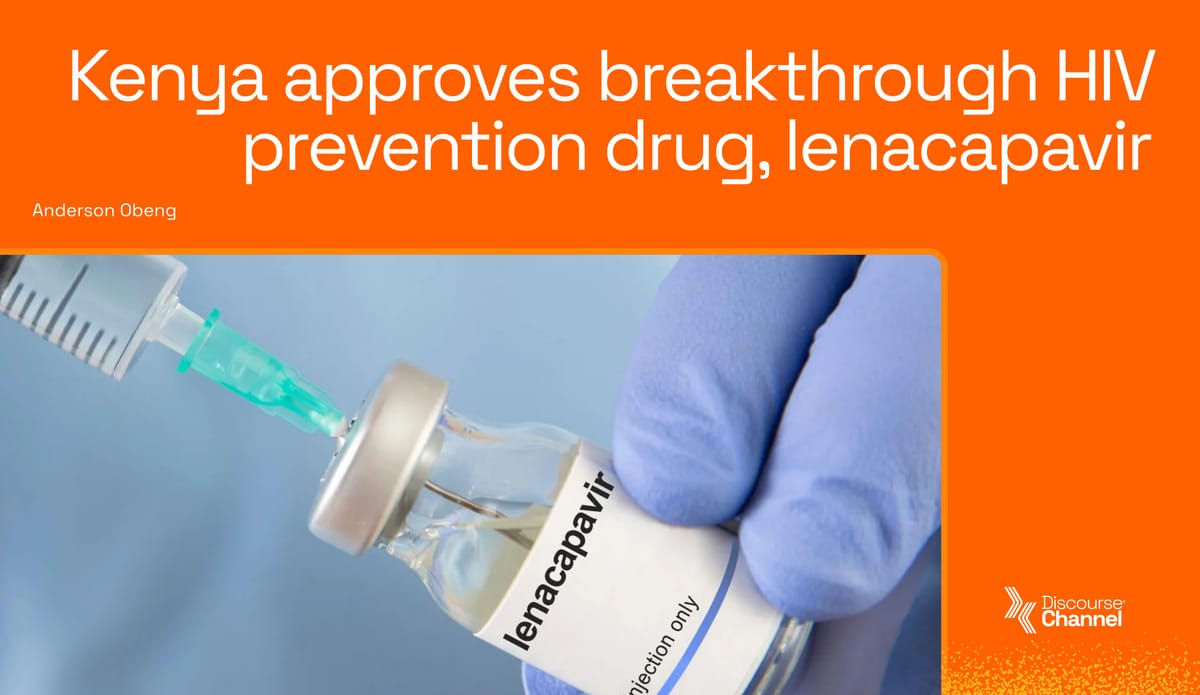
Kenya approves rollout of injectable HIV prevention drug, many health experts see this new HIV prevention drug as a major step forward. Unlike daily HIV prevention pills, lenacapavir is long-acting. This means people do not need to take it every day, which could make prevention easier for many.
For Kenya, this decision shows a growing focus on using new medical tools to reduce HIV infections. HIV remains a serious public health issue across the country, especially among young people and women. Health officials believe that giving people more prevention options can help close gaps that older methods have struggled to reach.
Lenacapavir’s approval comes at a time when African countries are looking for smarter and more practical ways to fight HIV, not just through treatment, but through prevention that fits into people’s real lives.
What we are watching:
- The rollout of lenacapavir is expanding across sub-Saharan Africa. Several countries are beginning to prepare health systems, train workers, and plan how the drug can reach communities safely. These early steps are important because approval alone does not save lives, access does.
- Multiple African governments are actively pushing for wider access to lenacapavir. Regulators, health ministries, and partners are working to speed up approvals, lower costs, and include the drug in national HIV prevention plans. This shared push shows that countries are learning from each other and moving together, rather than acting alone.
Daily HIV prevention pills work, but they are not easy for everyone. Some people forget to take them. Others face stigma or cannot get to clinics often. A long-acting drug like lenacapavir could reduce these problems by offering protection without daily reminders.
For health systems, this could also mean fewer clinic visits and better long-term planning. For individuals, it could mean more privacy, freedom, and control over their health.
Kenya’s decision fits into a bigger shift happening across Africa’s health systems. Countries are moving beyond basic solutions and looking at how innovation can improve care and prevention. HIV is no longer just about managing illness, it is about stopping new infections before they happen.
Still, challenges remain. Cost, supply, and fair distribution will decide how successful lenacapavir becomes. Strong policies, funding, and public trust will matter just as much as the science.
For now, Kenya’s approval sends a clear message: Africa is ready to adopt new tools in the fight against HIV. If access keeps expanding, lenacapavir could help shape a future where prevention is simpler, stronger, and more inclusive.