Ghana signals stronger prevention push with planned typhoid vaccination focus on food handlers
Ghana Health Service (GHS) is moving toward strengthening typhoid prevention by focusing on one of the most critical transmission points: food handlers.
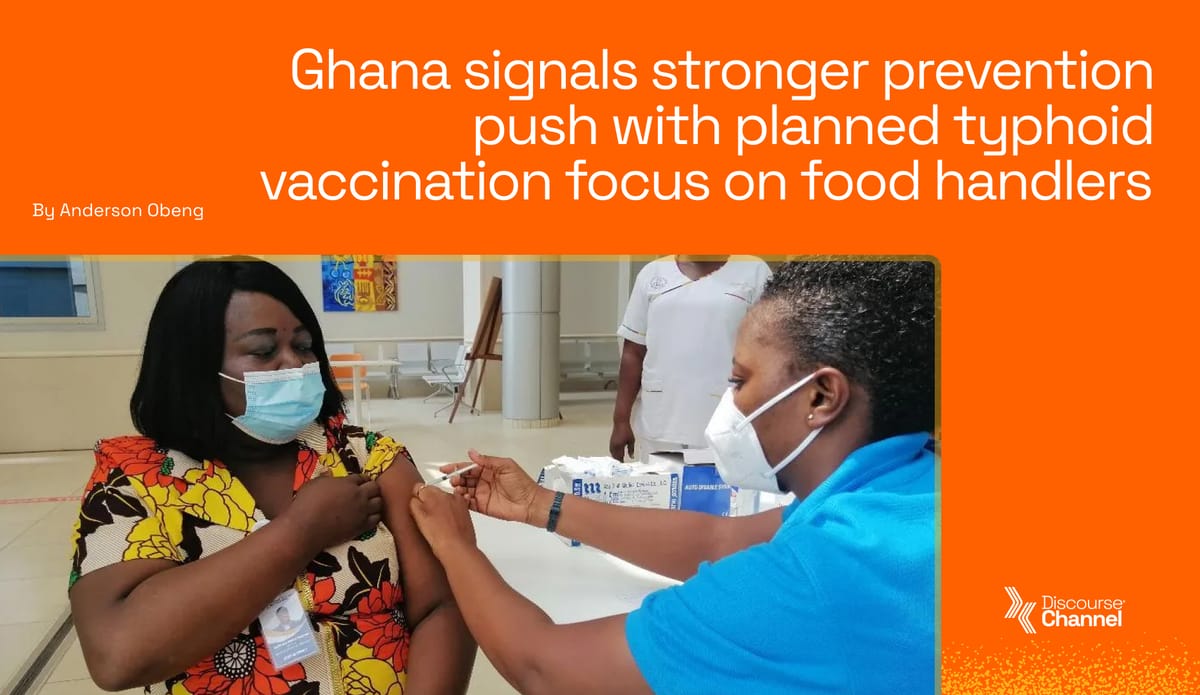
Ghana Health Service (GHS) is moving toward strengthening typhoid prevention by focusing on one of the most critical transmission points: food handlers. Health authorities are preparing plans that would require or strongly encourage typhoid vaccination for individuals involved in food preparation and sale, reflecting a broader shift toward prevention rather than treatment.
Typhoid fever remains closely tied to sanitation, water safety, and food hygiene. Because food handlers interact with large numbers of people daily, even a single infection can spread widely through contaminated food. By targeting this group, health officials aim to interrupt transmission at its source and reduce outbreak frequency.
While countries such as Pakistan have implemented large-scale typhoid vaccination campaigns, most global efforts focus on children or high-risk communities rather than food handlers specifically. If Ghana moves forward with a structured nationwide program targeting food handlers, it would represent one of the more targeted public health prevention strategies in the region.
What we are watching:
- Mpox monitoring remains active: Health authorities across parts of Africa continue surveillance of mpox cases, reinforcing the need for rapid detection systems and vaccination readiness.
- Flooding increases disease risks: Seasonal flooding across West Africa is increasing water contamination and placing additional strain on health facilities. Flood conditions create environments where typhoid and other waterborne diseases spread more easily.
Typhoid transmission depends on interconnected factors which are; People (highest immediate risk): Infected food handlers can spread bacteria to large populations quickly. Human transmission through food preparation remains one of the most efficient pathways.
Water systems (critical structural driver): Contaminated drinking and cooking water is a major source of outbreaks, especially in areas with limited sanitation infrastructure.
Food resources: Improperly handled or stored food can harbor bacteria and amplify spread.
Environmental hygiene: Poor drainage, waste disposal challenges, and overcrowding increase exposure risks.
Infrastructure gaps: Weak enforcement of food safety regulations and inconsistent access to clean water heighten vulnerability.
Among these, human handling and unsafe water remain the strongest drivers of transmission, which makes targeting food handlers a high-impact intervention.
If implemented effectively, a nationwide vaccination focus on food handlers could reshape several aspects of Ghana’s health system:
- Reduced hospital burden: Typhoid cases often require laboratory testing, antibiotics, hospitalization in severe cases, and follow-up monitoring. Preventing infections at scale could reduce outpatient visits, hospital admissions, and complications such as intestinal perforation. This would free up beds, staff time, and resources for other pressing health needs.
- Lower antibiotic use and resistance risk: Typhoid treatment depends heavily on antibiotics. Reducing case numbers would lower antibiotic consumption, which may help slow antimicrobial resistance, an emerging global health threat. This has long-term implications for drug effectiveness and treatment costs.
- Cost savings for the health system: Prevention is generally more cost-effective than treatment. A reduction in typhoid incidence would lower spending on diagnostics, medications, and emergency interventions. Over time, these savings could be redirected toward infrastructure, maternal health, or disease surveillance systems.
- Strengthened surveillance and food safety systems: A structured vaccination program for food handlers would likely require registration systems, monitoring mechanisms, and coordination between health authorities and local assemblies. This could strengthen regulatory enforcement and improve food safety oversight more broadly.
- Increased public confidence: Outbreaks often erode public trust in food vendors and public institutions. A preventive vaccination policy signals that authorities are taking proactive steps to protect consumers, which could stabilize both the informal food economy and tourism-related sectors.
If Ghana proceeds with a structured vaccination requirement for food handlers, it would mark a meaningful shift toward prevention-driven public health policy. In a region where rapid urbanization, sanitation gaps, and climate pressures increase disease risks, proactive vaccination programs can significantly reduce systemic strain.
Beyond reducing infections, such a move would strengthen institutional capacity, improve regulatory coordination, and signal that disease prevention is becoming a national development priority not just a medical response.