Energy Price Pressure Raises Costs Across African Economies
Rising global oil prices have increased pressure on African economies this week, pushing up transport and logistics costs across multiple markets. Businesses in several countries reported higher operating expenses as fuel-related inflation continues to feed through supply chains.
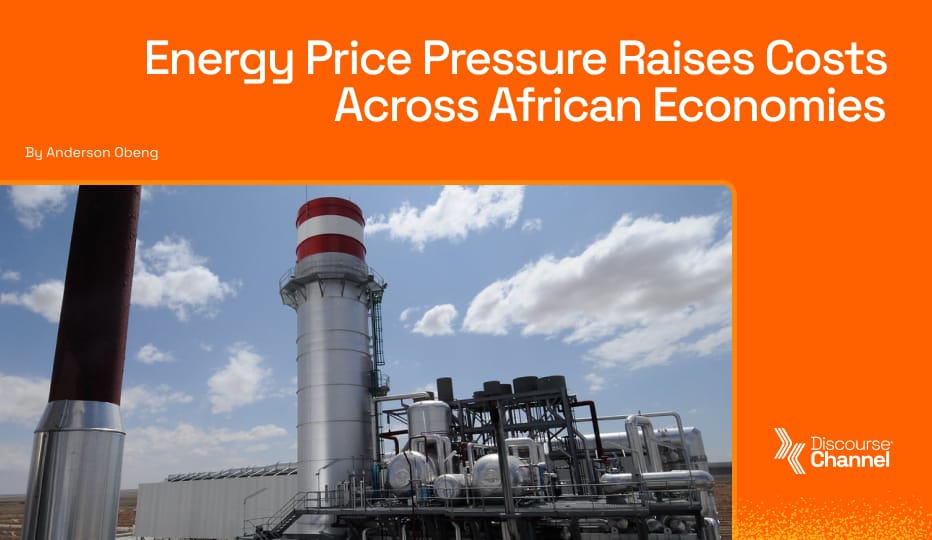
Rising global oil prices have increased pressure on African economies this week, pushing up transport and logistics costs across multiple markets. Businesses in several countries reported higher operating expenses as fuel-related inflation continues to feed through supply chains.
The situation has renewed attention on the structural vulnerability of many African economies to global energy price fluctuations, particularly those heavily reliant on imported fuel.
In response, governments across the continent are increasingly prioritizing energy diversification strategies, including greater investment in renewable energy and efforts to improve domestic energy resilience.
What we are watching:
- Energy transition discussions between African and international partners continue to place renewable energy and infrastructure investment at the center of cooperation frameworks.
- Across African policy and economic forums, climate resilience is increasingly shaping infrastructure planning.
At the same time, governments and development partners are aligning infrastructure investment with climate resilience goals, signaling a gradual but clear shift toward more integrated planning.
Africa’s energy landscape is entering a more complex phase where price volatility, climate commitments, and infrastructure financing pressures are intersecting.
The policy direction is increasingly clear: energy diversification and climate-resilient infrastructure are becoming central pillars of long-term economic stability and development strategy across the continent.