Energy and Trade Disruptions: Africa Navigates Global Volatility
South Africa is actively exploring alternative energy suppliers as persistent tensions in the Middle East push global oil prices higher and create uncertainty over supply routes. In parallel, Rwanda is advancing its nuclear energy ambitions as a long-term solution to domestic energy needs.
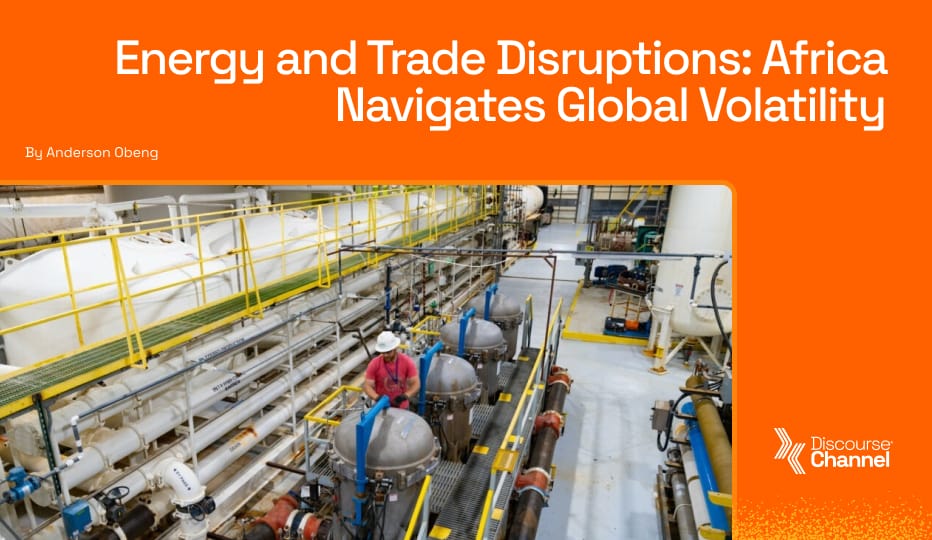
South Africa is actively exploring alternative energy suppliers as persistent tensions in the Middle East push global oil prices higher and create uncertainty over supply routes. The ripple effects of elevated energy costs are being felt across transportation, manufacturing, and inflation in fuel-importing African countries, highlighting the continent’s vulnerability to global market shocks. Rising fuel costs increase the price of goods and services, squeeze household budgets, and weigh on industrial activity, reinforcing the urgent need for energy diversification and resilient supply chains.
In parallel, Rwanda is advancing its nuclear energy ambitions as a long-term solution to domestic energy needs. The government’s plan, which includes the development of small modular reactors, aims to complement renewable sources while providing a stable and predictable electricity supply. Nuclear power is expected to reduce reliance on fossil fuel imports, support industrial growth, and enhance energy security. By investing in nuclear energy, Rwanda is signaling a shift toward self-reliant, forward-looking strategies that can withstand external shocks and strengthen national infrastructure. Early stages of the program emphasize safety, regulatory frameworks, and technical capacity, underscoring the careful balance between ambition and practicality.
What we are watching:
- The broader geopolitical instability is also affecting financial markets and investor confidence globally. According to a Reuters report, companies are delaying initial public offerings and dividend payouts as uncertainty spreads, creating cautious sentiment among investors. For African economies that depend on foreign investment and robust financial markets, these shifts have direct consequences.
The convergence of energy disruption and market uncertainty underscores the importance of proactive policy and strategic investment. South Africa’s pursuit of alternative suppliers and Rwanda’s nuclear energy program illustrate the continent’s growing recognition that energy security is inseparable from economic stability. Countries that can strengthen local capacity, diversify sources, and integrate modern energy infrastructure into broader development strategies will be better positioned to navigate global volatility.
For investors, policymakers, and private-sector stakeholders, the current environment offers both challenges and opportunities. While rising fuel costs and market uncertainty present immediate obstacles, they also highlight the need for resilient systems that combine diversified energy sources, forward-looking infrastructure planning, and strategic financial management. By pursuing sustainable and locally grounded solutions, African nations have the chance to transform energy risk into a platform for growth, industrialization, and long-term economic stability.