ECOWAS–AU Diplomacy Debate Puts Ghana’s Foreign Policy Under Scrutiny
A political controversy has emerged in Ghana following claims by opposition figures that the government may have foregone an opportunity to secure the presidency of the ECOWAS Commission.
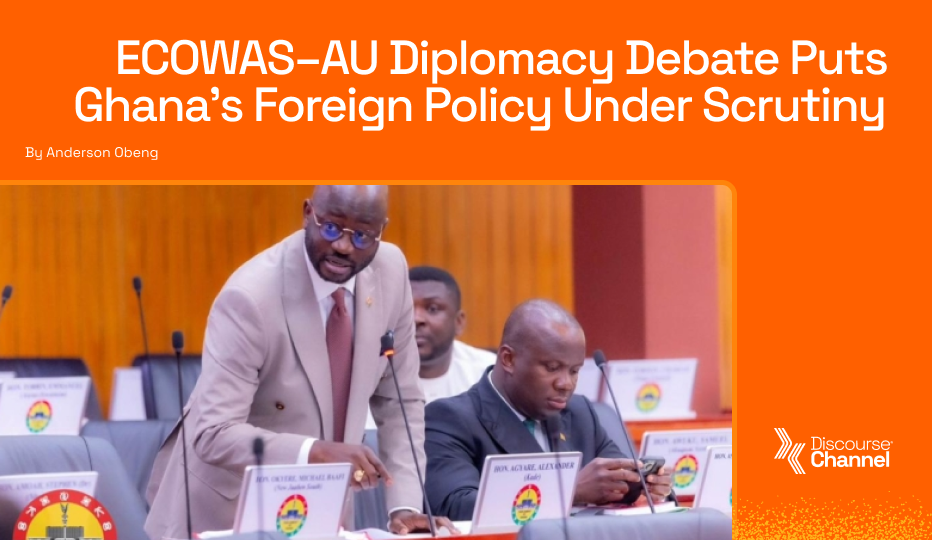
A political controversy has emerged in Ghana following claims by opposition figures that the government may have foregone an opportunity to secure the presidency of the ECOWAS Commission as part of broader diplomatic efforts to build support for former President John Mahama’s potential bid for the 2027 chairpersonship of the African Union.
The allegations, which have not been independently confirmed by government officials, have sparked debate about Ghana’s strategic positioning within regional and continental institutions. At issue is whether the country may have prioritized long-term continental influence over immediate leadership within West Africa or whether the claims themselves reflect domestic political contestation rather than formal policy.
The presidency of the ECOWAS Commission is widely regarded as a key leadership role, shaping regional economic coordination, political engagement, and integration efforts. For Ghana, securing such a position would reinforce its influence within West Africa. The suggestion that this opportunity may have been part of a broader diplomatic calculation has therefore drawn scrutiny from analysts and political observers.
What we are watching:
- Critics of the alleged arrangement argue that additional diplomatic bargaining may not have been necessary. They point to the African Union’s rotational leadership structure, which often guides the selection of its chairperson, suggesting that Ghana’s prospects could already have been supported by existing regional rotation patterns.
- The episode highlights the complexity of leadership selection within Africa’s major multilateral institutions. Positions within ECOWAS and the African Union are typically shaped by a mix of regional balancing, political consensus, and informal negotiations.
The discussion reflects a broader reality about African diplomacy: leadership roles within multilateral organizations carry both symbolic weight and strategic influence. They shape policy direction, regional coordination, and global representation.
For Ghana, the issue is less about confirming a specific deal and more about how foreign policy decisions are interpreted and debated domestically. As African institutions continue to grow in importance, the competition for leadership positions and the scrutiny surrounding them is likely to intensify.
More broadly, the situation illustrates how African governments navigate overlapping layers of diplomacy, balancing national priorities, regional influence, and continental ambitions in an increasingly interconnected political landscape.