Cross-Border Polio Campaign Reaches Over 10 Million Children
More than 10 million children have been reached in coordinated polio vaccination campaigns across Angola, Democratic Republic of the Congo, and Namibia, marking a significant step in ongoing efforts to eradicate the disease on the continent.
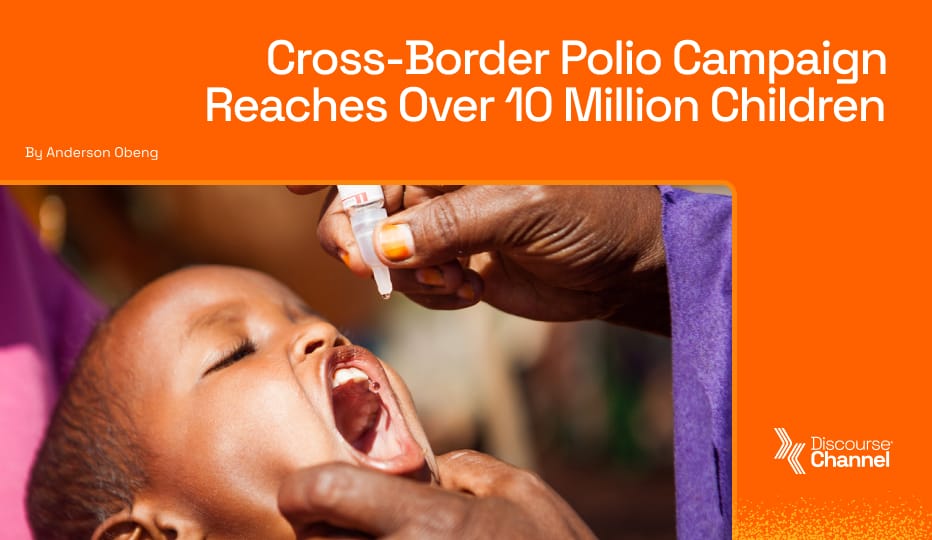
More than 10 million children have been reached in coordinated polio vaccination campaigns across Angola, Democratic Republic of the Congo, and Namibia, marking a significant step in ongoing efforts to eradicate the disease on the continent. The campaign targeted border regions where population movement is high and routine immunisation coverage can be uneven, increasing the risk of virus transmission.
The scale of the operation reflects the logistical complexity of delivering vaccines across geographically challenging terrain and coordinating health responses between multiple national systems. Cross-border initiatives of this kind are a central component of global polio eradication strategies, particularly in regions where mobility and access constraints can undermine standalone national efforts.
While Africa has made substantial progress in reducing polio cases in recent years, health authorities continue to emphasise the importance of sustained vaccination campaigns to prevent resurgence, especially in high-risk and underserved areas.
Polio eradication efforts in Africa have increasingly shifted toward targeted, high-intensity campaigns designed to close immunity gaps. Although the continent was certified free of wild poliovirus in 2020, outbreaks of circulating vaccine-derived poliovirus (cVDPV) have continued to occur in some regions, requiring ongoing immunisation responses.
As a result, regional coordination has become a critical tool. Cross-border campaigns help ensure that mobile populations often missed by routine systems are reached, reducing the risk of reinfection and cross-country transmission.
What we are watching:
- The Africa Centres for Disease Control and Prevention and the European Union have signed a Memorandum of Understanding to strengthen collaboration on health security. The agreement, concluded during a visit by Jozef Síkela and hosted by Jean Kaseya, is expected to expand cooperation in areas including outbreak preparedness, response coordination, and health system strengthening.
- Countries in East Africa are adjusting their public health preparedness strategies following recent Ebola and Marburg outbreaks. Measures include pre-positioning medical supplies, strengthening cross-border surveillance, and investing in community-level early warning systems aimed at improving response times and limiting the spread of viral haemorrhagic diseases.
The cross-border polio campaign highlights the importance of regional cooperation in managing infectious diseases that do not respect national boundaries. Sustained coordination is essential not only for eradication efforts but also for maintaining progress once milestones have been achieved.
At the same time, new partnerships and evolving preparedness strategies reflect a broader shift toward more integrated and proactive health systems across Africa. Together, these developments point to a continent increasingly focused on coordination, resilience, and rapid response in the face of ongoing public health challenges.