Creative Industry Leaders Push to Make Music, Film, Fashion, and Art Bankable.
Africa's Creative economy is making bold strides across the globe and will continue to expand globally. However the main challenge is creating a profitable business for the creators and industry leaders are pushing for this one big shift.
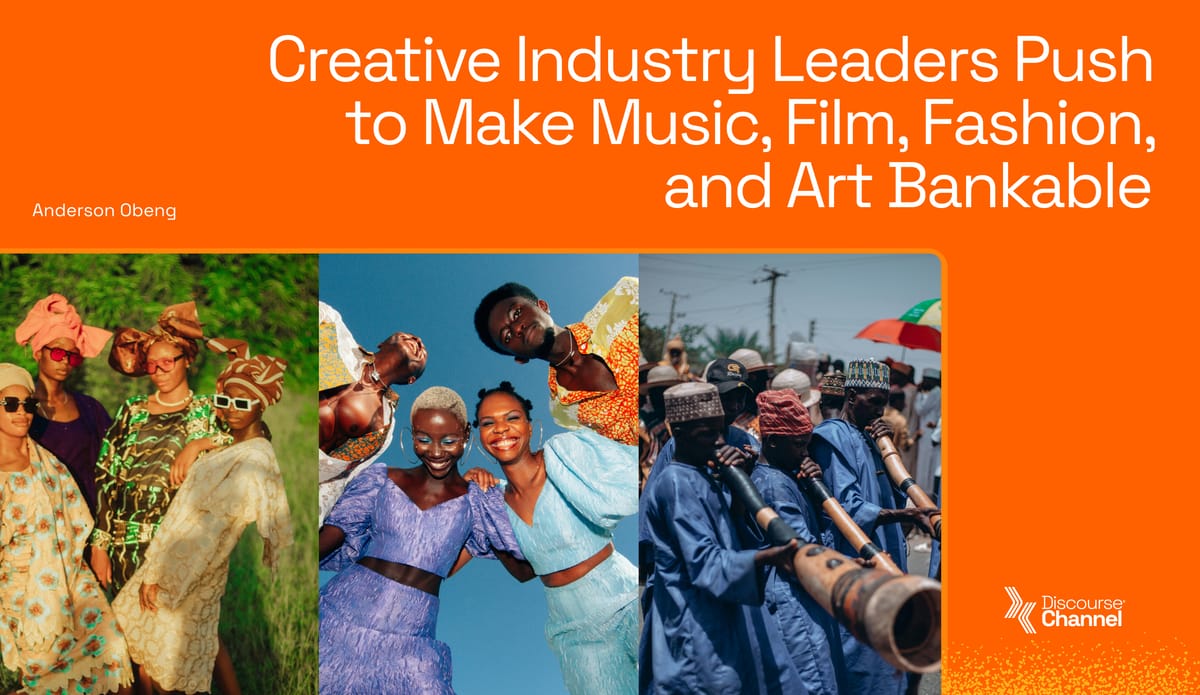
Africa’s creative economy is having a moment but the people powering it want something far more lasting than global vibes and viral trends. Across the continent, industry leaders are pushing for one big shift: making creative work bankable. That means transforming music, film, fashion, and art from passion-driven sectors into financially structured industries where creators can actually access loans, investment, and long-term capital. Africa's creative economy seeks more investors - Semafor
For years, African creatives have generated cultural influence without capturing the matching economic value. But a new movement from policymakers, investors, festivals, and creators themselves is trying to flip that script.
What’s new:
- African artists and creators are gaining more global attention through festivals, partnerships, and digital platforms. Creative Africa Exchange - Wikipedia
- Governments and organizations are designing policies to strengthen the creative sector as a real engine of Africa’s economy. REPUBLIC OF KENYA MINISTRY OF YOUTH AFFAIRS, CREATIVE ...
Africa’s creative scene is thriving from Nollywood and Afrobeats to fashion, animation, and visual art. But even though creativity is booming, many creators still struggle with the business side of their work.
In many places, the industry isn’t formally structured. Creators don’t always have strong copyright systems, clear ownership rules, or reliable ways to earn from their work. This makes it difficult for them to access funding or scale their businesses.
Because of this, creative leaders across the continent are calling for better systems. They want stronger copyright protections, better royalty tracking, creative business training, and policies that help creators grow.
These efforts are already happening in several African countries through national creative economy strategies, cultural policies, and creative hubs.
African music, film, and fashion are gaining global influence but the economic benefits don’t always match the impact.
By improving the structure of the creative sector, countries can create more jobs, support young entrepreneurs, and increase exports. This is why governments and organizations are now including creative industries in their development plans.
A stronger creative economy means more opportunities for creators to earn, grow, and reach bigger markets.