African Union Steps Up Coordination Ahead of 2026 G20 Cycle
The African Union is increasing coordination among member states as it prepares for upcoming G20 engagements, following its admission as a permanent member of the G20 in 2023.
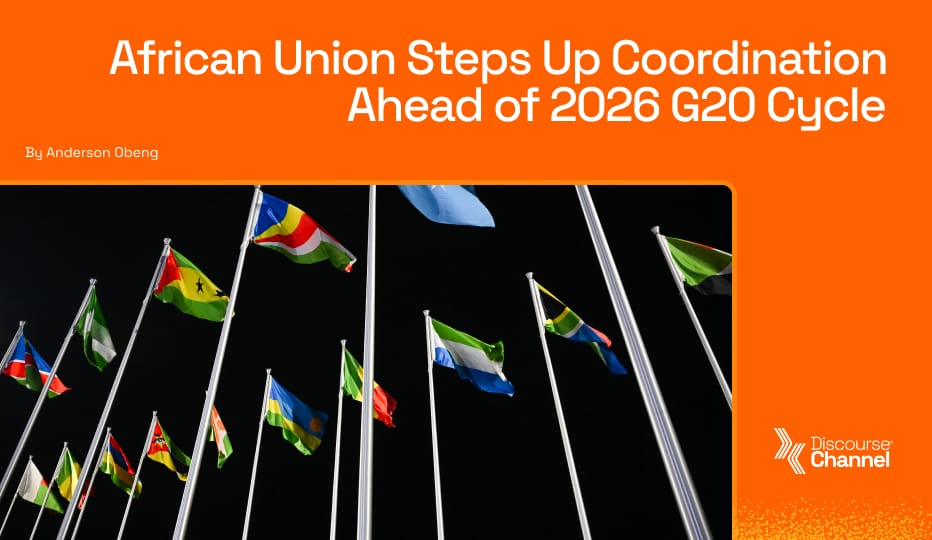
The African Union is increasing coordination among member states as it prepares for upcoming G20 engagements, following its admission as a permanent member of the G20 in 2023. The effort comes ahead of South Africa’s G20 presidency in 2025 and the United States presidency in 2026.
While specific meeting formats vary, the AU has been engaging member states through consultations and coordination platforms aimed at aligning positions on key issues such as development finance, climate policy, and global economic reform. The objective is to strengthen the continent’s collective participation within the G20 framework.
Africa’s inclusion in the G20 represents a structural shift in global economic governance. The AU’s permanent seat provides a platform to raise continental priorities, but effective influence depends on coordination across its 55 member states.
Differences in national interests have historically shaped how African countries engage in multilateral negotiations. As a result, there is growing emphasis on developing common positions ahead of major global meetings to improve bargaining power and policy coherence.
What we are watching:
- In Nigeria, a Federal High Court in Abuja has granted an application allowing a prosecution witness to testify under protective conditions in a trial involving a retired army general and five others. The defendants face multiple charges including treason, terrorism, and money laundering linked to an alleged plot against President Bola Tinubu. All have pleaded not guilty.
- Authorities in Madagascar have detained a French national over allegations of involvement in a destabilisation plot. Prosecutors say the case involves plans to sabotage infrastructure and incite unrest, with additional suspects, including a member of the national military, also facing charges. Investigations are ongoing.
The AU’s increasing focus on coordination reflects the practical realities of participating in global economic governance. While membership provides access, influence depends on the ability to present unified positions across diverse economies.
At the same time, developments in Nigeria and Madagascar highlight how domestic political and security dynamics continue to shape broader governance environments across the continent.
Together, these trends point to a dual reality: Africa’s global voice is expanding, but its effectiveness remains closely tied to internal alignment and stability.