20 Million Measles Lives Saved But Immunisation Progress Is Slowing
Recent public health data from global agencies indicate that measles vaccination coverage has stagnated or declined in some regions. This has resulted in immunity gaps, leaving millions of children unprotected or partially vaccinated.
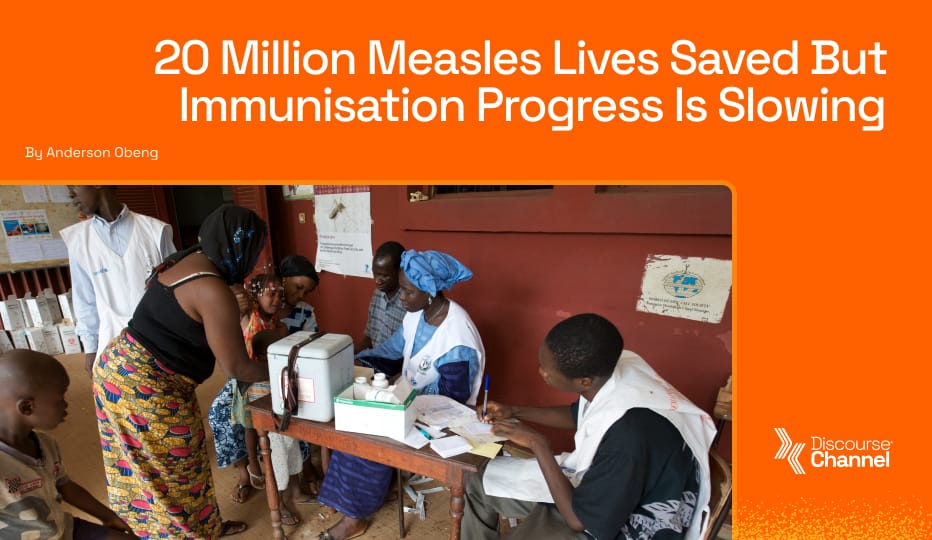
Since 2000, expanded childhood vaccination programmes across Africa have contributed to the prevention of an estimated 20 million measles deaths, according to global immunisation impact assessments. The gains are linked to sustained vaccination campaigns, improved routine immunisation systems, and coordinated international health support over two decades.
However, recent public health data from global agencies indicate that measles vaccination coverage has stagnated or declined in some regions. This has resulted in immunity gaps, leaving millions of children unprotected or partially vaccinated. Health authorities have also reported periodic outbreaks in areas with low coverage, underscoring the importance of maintaining consistent immunisation programmes.
Algeria has been officially certified by the World Health Organization as having eliminated trachoma as a public health problem.
Trachoma is a bacterial eye infection caused by repeated infection with Chlamydia trachomatis, which can lead to blindness over time. The elimination was achieved through a long-term national strategy that included antibiotic treatment, surgical intervention for advanced cases, improved hygiene practices, and water and sanitation improvements, implemented over several decades in line with WHO guidelines.
Algeria joins a small number of countries globally that have successfully eliminated trachoma as a public health concern.
What we are watching:
- Global estimates indicate that Africa accounts for approximately 94–95% of malaria-related deaths worldwide. World Malaria Day observances have consistently highlighted gaps in malaria control, including the reliance on international funding for research and intervention programmes and the need for stronger integration with national health systems to support delivery and sustainability.
The measles and trachoma outcomes reflect two sides of infectious disease control: one showing the long-term impact of sustained vaccination programmes, and the other demonstrating the potential for full disease elimination through coordinated public health strategy.
At the same time, recent trends in measles coverage show that progress is not permanent and requires continuous investment to maintain. Global malaria data further highlights the scale of infectious disease burden in Africa and the importance of sustained funding and health system strengthening to support prevention and treatment programmes.
Together, these developments underscore a consistent public health reality: long-term gains depend on continuity in vaccination, surveillance, and system capacity, while gaps in coverage can quickly reverse progress.