Who Protects the People? Nigeria’s Escalating Insecurity and the Crisis of Public Safety
For many communities across northern Nigeria, insecurity is no longer an occasional disruption. It has become part of daily life. Recurring attacks by armed groups, mass kidnappings, and deadly violence have continued to affect several states, forcing thousands of people to flee their homes...
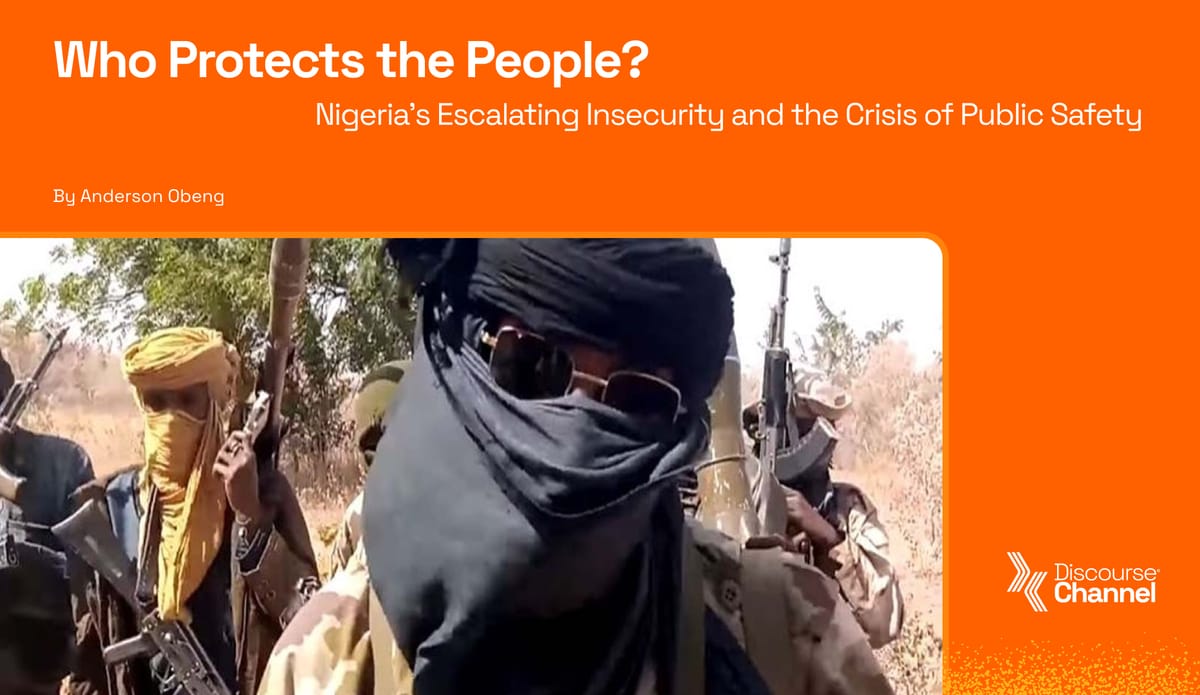
Recurring attacks by armed groups, mass kidnappings, and deadly violence have continued to affect several states, forcing thousands of people to flee their homes and raising fresh concerns about public safety. While Nigerian authorities have repeatedly pledged to tackle the crisis, the persistence of the violence has left many communities asking a difficult question: are citizens still safe in their own country?
The question matters because security lies at the heart of governance. Governments are expected to provide roads, schools, and economic opportunities, but before any of these can flourish, citizens must first feel protected. When people begin to doubt the state’s ability to guarantee safety, the issue extends beyond crime and enters the realm of governance itself.
Beyond the Casualty Figures
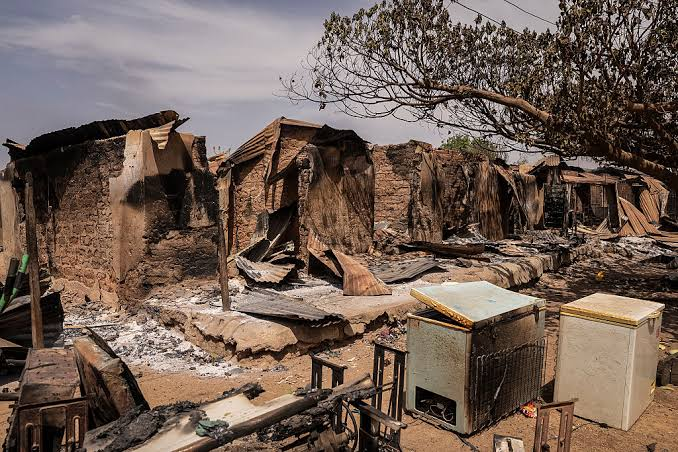
Farmers are unable to cultivate their lands because of fears of attack. Businesses operate under uncertainty. Families live with the constant threat of kidnappings and violence. In some communities, displacement has become a recurring reality rather than an emergency.
The effects extend beyond immediate loss of life. Persistent insecurity affects education, food production, trade, and investment. Entire local economies suffer when people can no longer move freely or conduct everyday activities without fear.
A Long-Running Challenge
Nigeria’s security crisis is complex and involves multiple armed groups operating across different regions. Banditry, insurgency, communal violence, and kidnapping-for-ransom have evolved over the years, creating overlapping threats that have proven difficult to contain.
Successive governments have promised to restore order, while security agencies have launched numerous operations aimed at dismantling armed networks. Yet despite these efforts, attacks continue to occur, raising questions about whether existing strategies are producing lasting results.
The persistence of the violence has also exposed the challenges involved in securing a country with a large population, vast territory, and multiple security threats occurring simultaneously.
When Fear Shapes Everyday Life
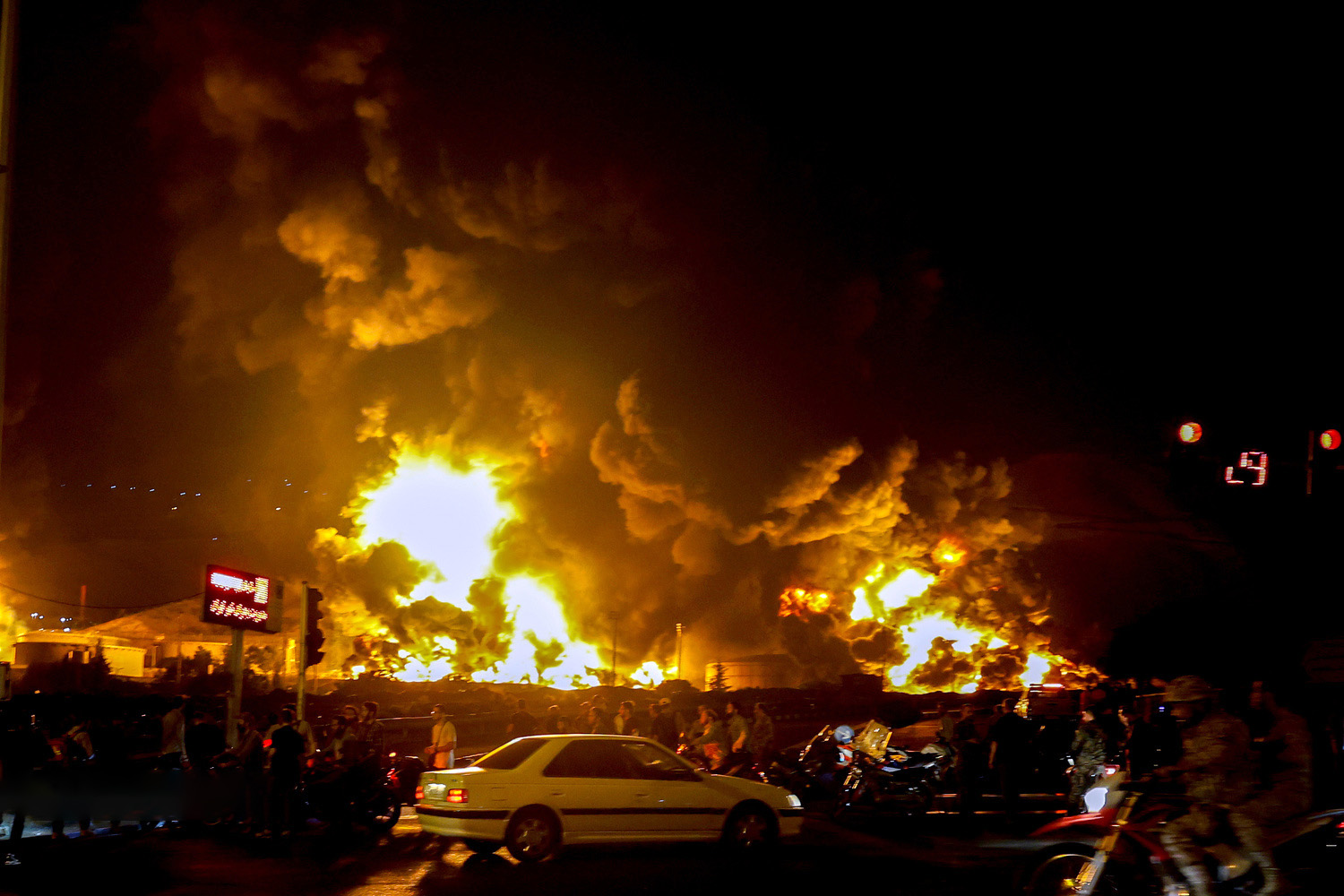
Perhaps the greatest impact of prolonged insecurity is not only physical but psychological.
For many Nigerians living in affected areas, fear has become part of everyday existence. Communities increasingly organize local vigilante groups, alter their routines, or restrict movement in response to perceived threats.
These adaptations reveal something deeper. They suggest that some citizens are beginning to rely on alternatives when confidence in formal security structures weakens.
While community initiatives can provide support, they also raise important questions about the relationship between citizens and the state. If communities increasingly feel compelled to protect themselves, what does this mean for public trust in government institutions?
More Than a Security Problem
The crisis in northern Nigeria is no longer simply a story about armed attacks. It is a story about the ability of a government to enforce its laws.
One of the most fundamental responsibilities of any state is the protection of life and property. When insecurity persists over a prolonged period, citizens inevitably begin to judge governments not only by promises but by outcomes.
Public confidence is built when people believe institutions are capable of responding effectively to threats. Conversely, repeated attacks and continuing violence can erode trust and create perceptions that the state is unable to fulfil its most basic obligations.
This has implications that extend beyond security itself. Public trust influences economic activity, investment, political stability, and social cohesion. A population that feels unsafe is less likely to have confidence in institutions or in the future.
Lessons Beyond Nigeria
The questions raised by Nigeria’s experience are relevant far beyond its borders. History shows that when governments struggle to provide security and citizens lose confidence in state institutions, the consequences can extend beyond violence itself.
In Burkina Faso, growing frustration over the government’s inability to contain jihadist attacks contributed to a series of military coups in 2022. Myanmar’s 2021 military takeover similarly emerged from a broader crisis of trust and institutional instability, while Iran’s 1979 revolution demonstrated how governments can face profound challenges when large segments of the population lose faith in existing institutions.
These cases differ from Nigeria’s circumstances, but they highlight a common lesson: insecurity is not only a law enforcement issue. When citizens no longer believe that the state can protect them, the problem can evolve into a wider crisis of governance and legitimacy.
For neighbouring countries such as Ghana, the lesson is clear. Preventing insecurity is often easier than rebuilding public trust once it has been weakened. Strong institutions, effective intelligence systems, and accountable leadership remain essential not only for protecting lives but also for preserving confidence in government.
Why This Matters
At its core, the Nigerian crisis raises a critical question.
If security is the first duty of government, what happens when citizens no longer feel protected?
The answer goes beyond casualty figures and military operations. It touches on the relationship between governments and the people they govern.
Ultimately, the debate is not only about whether armed groups are being defeated. It is about whether citizens continue to believe that the state is capable of protecting them and what happens when they fail to meet that duty.
Because when people begin to lose confidence in that promise, the consequences extend far beyond security. They reach the very foundation upon which governance itself rests.