IMF Linked Growth Outlook Dominated Investor Narratives
The IMF report shows that some African economies are likely to do well, supported by rising consumer demand, growing industry, and better trade balances.

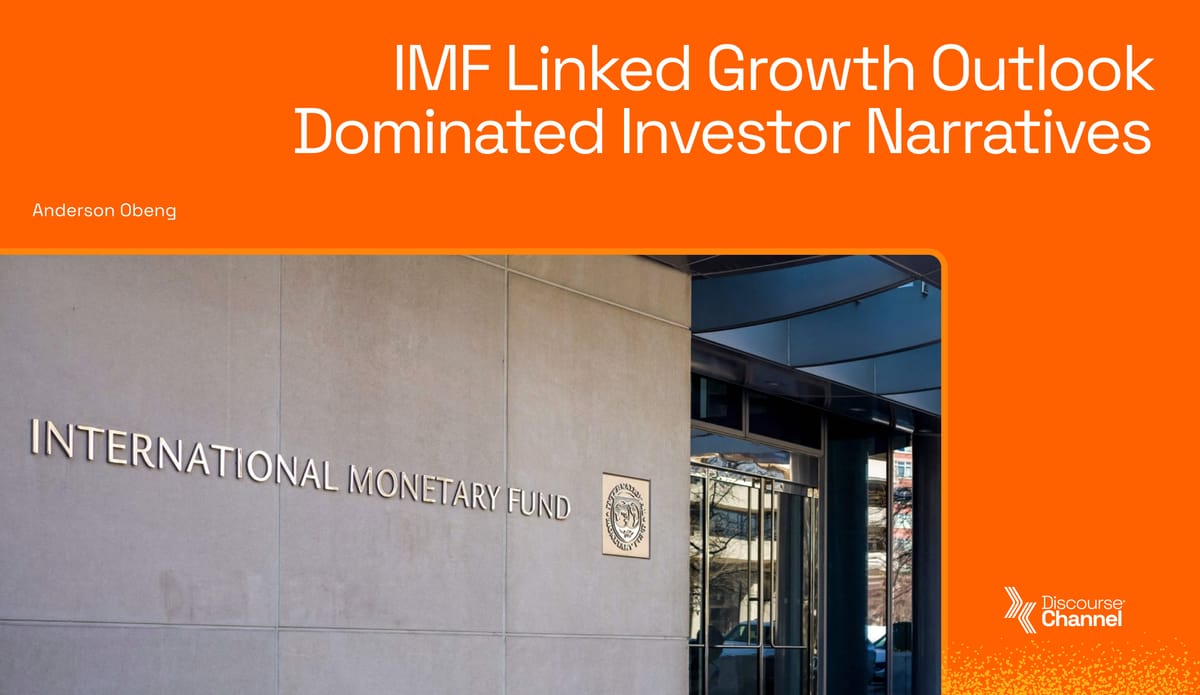
As Africa starts the new year, investors are paying close attention to the International Monetary Fund’s growth forecasts. These predictions are shaping expectations for markets, guiding where money is invested, and helping companies and governments plan for 2026. For investors, these numbers are not just statistics, they are signals for where opportunities and risks are across the continent.
The IMF report shows that some African economies are likely to do well, supported by rising consumer demand, growing industry, and better trade balances. At the same time, challenges like currency changes, debt, and global economic uncertainty remain. This mix of promise and caution has shaped how investors plan their early-year strategies and which sectors they focus on.
What we are watching:
- Early-year capital allocation strategies released. Investment firms and fund managers have shared their plans for the first months of the year, often using IMF data. Sectors like technology, agriculture, consumer goods, and energy are getting the most attention. Banks and infrastructure projects are seen as safer bets. Reliable forecasts help investors balance risk and decide where money can make the most impact.
- Trade fairs created new deal opportunities. In East, West, and Southern Africa, trade shows and exhibitions in the first weeks of the year have become more than just displays. They are now places where deals happen, bringing together investors, buyers, and sellers. These events turn IMF projections into real contracts, partnerships, and new investments.
The IMF’s growth outlook acts as a common guide for African markets. Investors use it to understand risk and find opportunities. Governments can also see where policy action is needed to keep markets stable and attract funding.
The combination of forecasts and trade fairs shows how data-driven insights are turning into real action. Sectors highlighted in the IMF report are digital infrastructure, renewable energy, consumer goods are attracting more funding and faster deals.
At the same time, forecasts are guides, not guarantees. Countries still need clear policies, strong institutions, and transparency to make sure the numbers turn into real growth.
Africa’s investment scene is becoming more organized and strategic. Investors are using reliable data to guide funding, and governments and businesses are learning to provide clear, trustworthy economic information.
The IMF-linked growth outlook highlights a bigger trend: African economies are now judged not just on GDP numbers, but on their ability to attract smart and careful investment. When forecasts guide funding and trade fairs help close deals, Africa’s growth potential becomes more real and sustainable.
In short, the IMF forecasts are not just a report, they are a tool for shaping Africa’s investment future, helping investors find opportunities while signaling where to be careful, and giving governments and businesses a roadmap to manage capital wisely.