AI Health Systems Gain Momentum Across Africa
One of the most significant health trends this week was the continued expansion of artificial intelligence across Africa’s healthcare systems. Governments, health ministries, and global technology partners are accelerating efforts to deploy AI-driven tools aimed at improving diagnosis support...
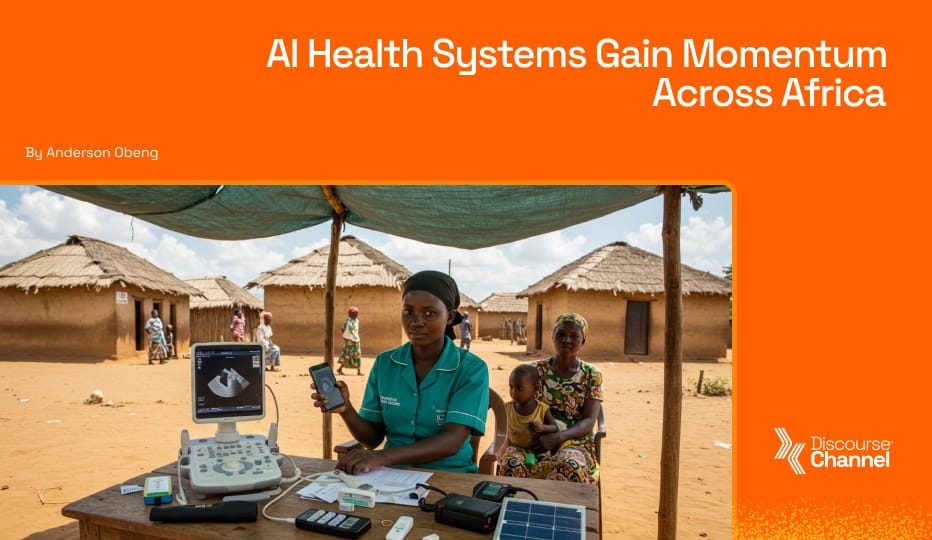
Across Africa, one of the biggest challenges facing healthcare is not a lack of medical need, but a shortage of people and systems capable of meeting it. With rural communities underserved and healthcare workers stretched thin, governments are increasingly turning to technology to close the gap. This week, artificial intelligence emerged as one of the continent’s most important tools in that effort.
One of the most significant health trends this week was the continued expansion of artificial intelligence across Africa’s healthcare systems. Governments, health ministries, and global technology partners are accelerating efforts to deploy AI-driven tools aimed at improving diagnosis support, patient tracking, and digital clinic operations.
The momentum reflects growing recognition that AI could help address some of the continent’s most persistent healthcare challenges, including shortages of trained health workers and limited access to medical services in rural and underserved communities.
Several initiatives are focusing on integrating AI into frontline healthcare delivery. These systems are being used to support medical decision-making, streamline patient records, strengthen disease surveillance, and improve the efficiency of healthcare facilities. Rather than replacing health professionals, AI tools are increasingly being positioned as systems that augment existing capacity and help overstretched healthcare workers manage growing demand.
The expansion is being driven in part by partnerships between African governments and global technology foundations, which are supporting digital transformation efforts across healthcare systems. Policymakers view these technologies as critical to improving access to care while strengthening the resilience of health infrastructure.
The growing adoption of AI also reflects a broader shift in healthcare priorities. As populations grow and urbanization accelerates, countries are increasingly investing in digital health systems capable of delivering more efficient, scalable, and data-driven healthcare services.
While challenges around infrastructure, affordability, and regulation remain, the rapid pace of adoption highlights how artificial intelligence is becoming an increasingly important component of Africa’s long-term healthcare strategy.
What we are watching:
- Governments and regional institutions continued strengthening digital disease surveillance systems to improve real-time monitoring of outbreaks. The push aims to connect laboratories, clinics, and border health posts through shared data platforms, enabling faster responses to cross-border health threats.
- Health innovation efforts also focused on localized solutions, including low-cost diagnostic technologies, mobile clinics, and community-based healthcare delivery systems designed to improve access and affordability.
The developments point to a broader transformation in African healthcare, where digital technologies are increasingly becoming essential rather than optional. As AI, disease surveillance systems, and locally adapted innovations mature, the continent’s health systems are moving toward more connected, data-driven, and resilient models of care.