West Africa Pushes for Sovereign Debt Reform
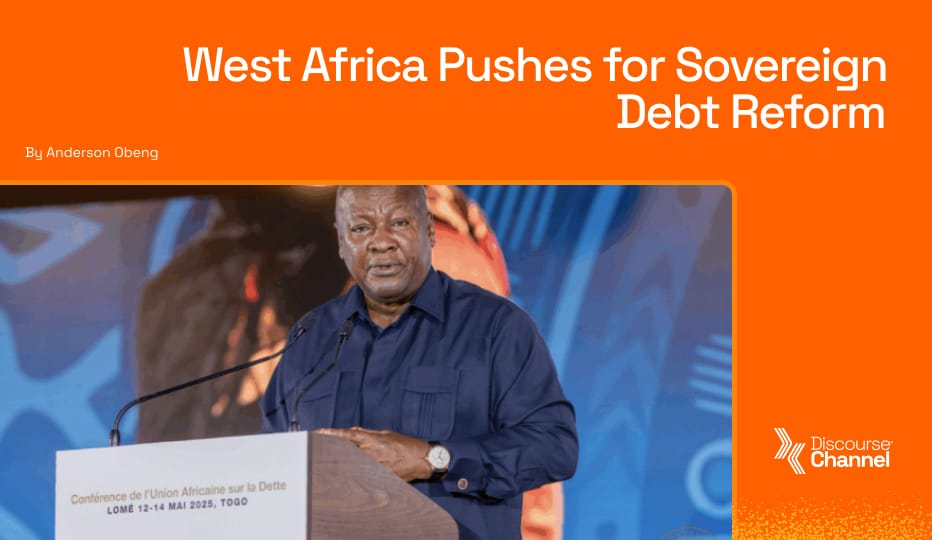
Regional leaders have outlined an ambitious agenda to accelerate sovereign debt restructuring and strengthen Africa’s financial resilience, with the goal of helping key West African economies achieve investment-grade status within the next three years.
Economic growth is difficult to sustain when countries spend more time negotiating debt than financing development. Across West Africa, leaders are increasingly arguing that the current global debt architecture is slowing investment, weakening confidence, and limiting long-term economic transformation. This week, calls for reform grew louder.
Regional leaders have outlined an ambitious agenda to accelerate sovereign debt restructuring and strengthen Africa’s financial resilience, with the goal of helping key West African economies achieve investment-grade status within the next three years.
The discussions focused on creating faster, fairer, and more predictable debt restructuring mechanisms that would reduce prolonged negotiations and improve access to international capital markets. Leaders argue that more efficient debt frameworks are essential for restoring investor confidence and unlocking long-term economic growth.
The push also reflects a broader drive for economic sovereignty. Policymakers are calling for financial systems that give African countries greater flexibility to manage debt while supporting investment in infrastructure, industrialization, and sustainable development.
If implemented, the proposed reforms could lower borrowing costs, improve creditworthiness, and strengthen the region’s ability to attract private capital. The discussions reinforce a growing continental consensus that reforming debt management tools is critical to Africa’s long-term economic competitiveness.
What we are watching:
- A Moroccan court sentenced 29 high-profile individuals in a major cross-border drug trafficking and money laundering case, marking a significant development in the country’s anti-corruption and judicial enforcement efforts.
- Mercy Corps Ventures announced new funding to expand Logidoo’s cross-border logistics network, strengthening trade infrastructure and improving supply chain efficiency across Francophone Africa.
Together, these developments point to a continent focused on strengthening the foundations of economic growth. From debt reform and stronger governance to investment in regional logistics, African policymakers are increasingly prioritizing systems that improve investor confidence, deepen regional integration, and support long-term development.